Por Diosh — Fundador, AHAeCommerce | Inteligencia de decisiones de eCommerce para operadores con GMV de $50K–$5M
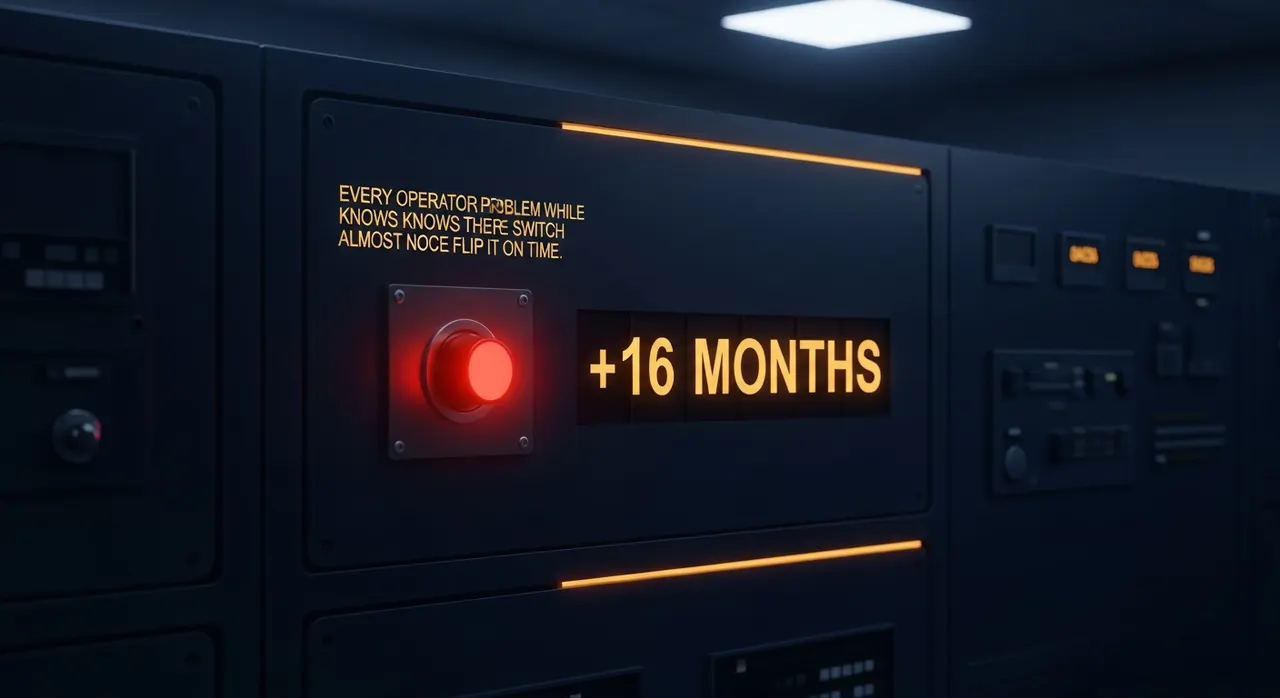
El negocio de eCommerce de bajo rendimiento promedio cierra 16 meses después de que los datos financieros lo indicaran. Esos 16 meses son los más caros en la vida de la marca. Consumen en promedio $80,000 a $260,000 en capital de trabajo, dependiendo de la escala operativa, agotan las reservas del fundador y eliminan la opcionalidad — para cuando la marca realmente cierra, el fundador generalmente no tiene el efectivo, la energía o el runway para empezar otra cosa, que era el objetivo principal de preservar el capital en primer lugar. El cierre rara vez es el peor resultado. La demora de 16 meses antes del cierre es el peor resultado.
La razón de la demora no es la terquedad. Es la ausencia de un marco de decisión estructurado, que obliga a los fundadores a tomar la decisión por emoción ("No soy un desertor") o por presión externa ("el banco cortó la línea de crédito") en lugar de por una señal financiera. Este artículo nombra las cuatro métricas que constituyen una prueba estructurada de interruptor de apagado, los valores umbral que indican "cerrar", y el proceso de cierre ordenado que protege las opciones de salida del fundador cuando se toma la decisión.
La Suposición Predeterminada (y Por Qué Falla)
El enfoque predeterminado del fundador para el cierre es binario y emocional: seguir adelante hasta que algo obligue a detenerse, o renunciar cuando se sienta demasiado difícil. El enfoque presume que cualquier negocio con efectivo disponible vale la pena continuar, y que la pregunta de si continuar tiene un peso moral — renunciar es fracaso, continuar es carácter. Este enfoque falla porque convierte una decisión financiera en una decisión de identidad, lo que elimina por completo los datos de la discusión.
El enfoque falla por tres razones estructurales.
Primero, la opcionalidad es asimétrica en el tiempo. Un fundador con $80,000 de capital personal y 18 meses de runway tiene opciones muy diferentes que el mismo fundador seis meses después con $20,000 y 6 meses de runway. Continuar más allá de la señal del interruptor de apagado convierte la opcionalidad en gasto operativo. Los datos de cierre de pequeñas empresas de Statista de 2024 muestran que el 64% de los fundadores de eCommerce que cerraron después de la señal financiera informan que habrían iniciado un negocio diferente si hubieran conservado el capital, pero no pudieron porque el cierre consumió sus reservas. El costo de un cierre tardío no es solo la marca que cierra, es la próxima marca que no se inicia.
Segundo, el costo hundido domina el análisis cuando ningún marco lo desplaza. Los fundadores están fuertemente invertidos en el negocio que construyeron, tanto financiera como emocionalmente. Sin un marco de decisión estructurado, el costo hundido es el aporte más fuerte. La investigación conductual del estudio de decisiones de fundadores de Harvard Business Review de 2024 encontró que los fundadores que tomaban decisiones de continuación sin marcos financieros explícitos ponderaban la inversión pasada 3.4x más fuertemente que el costo de oportunidad prospectivo. Las matemáticas que el fundador necesita son prospectivas. Las matemáticas que el fundador hace son retrospectivas.
Tercero, el entorno social del emprendimiento está estructuralmente sesgado hacia la continuación. Inversores, asesores, amigos y los propios compromisos públicos del fundador prefieren "vamos a hacer que esto funcione" a "estamos cerrando". Ninguna de estas partes asume el costo de la decisión equivocada. El fundador sí. Un marco estructurado importa precisamente porque le da al fundador una defensa contra la presión social hacia la continuación.
De Qué Depende Realmente la Decisión
Trayectoria del Margen de Contribución de los Últimos 12 Meses
La primera métrica del interruptor de apagado es la trayectoria del margen de contribución en una ventana de 12 meses. El margen de contribución — ingresos menos costos variables (COGS, fulfillment, empaque, tarifas de transacción) — es la medida más limpia de si el modelo de negocio en sí funciona a la escala actual de la marca. Si el margen de contribución ha tendido a ser plano o a la baja durante 12 meses, el negocio no está encontrando apalancamiento operativo a medida que escala. La investigación de viabilidad de pequeñas empresas de McKinsey de 2024 encontró que las marcas DTC con una trayectoria de margen de contribución plana o decreciente durante 12 meses tenían una probabilidad del 71% de permanecer no rentables durante los siguientes 24 meses sin un cambio fundamental de producto o modelo.
La pregunta de diagnóstico: en los últimos 12 meses, ¿el margen de contribución por pedido ha tendido al alza (apalancamiento operativo), plano (limitado) o a la baja (erosionándose)? Plano en el punto de equilibrio o por debajo durante más de 12 meses es una señal de interruptor de apagado. Declinar es una señal aguda de interruptor de apagado, independientemente de la trayectoria de los ingresos.
Cash Runway Versus Estimación de Tiempo Hasta la Rentabilidad
La segunda métrica del interruptor de apagado es la relación entre el cash runway y la estimación de tiempo hasta la rentabilidad. El cash runway son los meses de gastos operativos que la marca puede financiar con el efectivo actual y el crédito comprometido. El tiempo hasta la rentabilidad es la estimación honesta del fundador de los meses hasta que la marca alcance el punto de equilibrio en el margen de contribución con la trayectoria actual.
Las matemáticas son brutales pero claras. Si el cash runway es inferior a 1.5x la estimación de tiempo hasta la rentabilidad, la marca está estructuralmente subfinanciada para el camino en el que se encuentra. Si el cash runway es inferior a 1.0x el tiempo hasta la rentabilidad, la marca se quedará sin efectivo antes de alcanzar el punto de equilibrio en el camino actual. La investigación de gestión de efectivo para pequeñas empresas de Forrester de 2024 identificó la relación de 1.5x como el amortiguador mínimo viable para la varianza operativa — cualquier cosa por debajo de esto requiere una inyección de capital externa o un cambio fundamental en el plan operativo, no solo una ejecución continua.
La trampa en la que caen la mayoría de los fundadores es volver a calcular la estimación de tiempo hasta la rentabilidad de forma optimista cada trimestre. La estimación honesta utiliza la trayectoria real de los últimos 6 meses, no la trayectoria planificada de los próximos 6. Si la trayectoria real dice rentabilidad en 14 meses y el efectivo cubre 9 meses de runway, la señal del interruptor de apagado se está activando.
Sostenibilidad de la Compensación del Fundador
La tercera métrica del interruptor de apagado es la compensación del fundador. Un fundador que se paga a sí mismo $0 o un salario por debajo del mercado está subsidiando el negocio con su propio costo laboral, lo que hace que el P&L se vea mejor de lo que realmente es. Los datos de compensación de pequeñas empresas minoristas de Statista de 2024 muestran que la tasa de mercado mediana totalmente cargada para un rol de fundador/operador de eCommerce es de $80,000–$140,000 por año para marcas con un GMV de $250K–$2M.
La prueba de diagnóstico: inserta la compensación del fundador a precio de mercado en el P&L. Si el negocio no produce un margen de contribución suficiente para cubrir esa partida dentro de 18 meses con la trayectoria actual, el fundador está operando un trabajo (sin seguridad laboral) en lugar de un negocio. La señal del interruptor de apagado aquí no es solo financiera, se trata de si la estructura es recuperable. Un negocio que requiere un subsidio laboral permanente del fundador no es un negocio; es un acuerdo de costo de capital estructuralmente negativo que empeora a medida que mejoran las alternativas de mercado del fundador.
Trayectoria de la Demanda del Cliente
La cuarta métrica del interruptor de apagado es la trayectoria de la demanda del cliente: tasa de adquisición de nuevos clientes de los últimos 6 meses y tasa de recompra de los últimos 6 meses. Si ambas son planas o están disminuyendo y la marca ha intentado más de 2 cambios estructurales (producto, canal, posicionamiento) sin producir un cambio en la trayectoria, el lado de la demanda del negocio es la restricción. Las marcas cuyo gasto de adquisición ha cruzado el punto de cruce del CAC marginal a menudo ven primero la señal de la trayectoria de la demanda — el aumento del gasto produce una caída en la calidad de los nuevos clientes, luego una caída en las tasas de recompra a medida que esos clientes de menor calidad churn.
Esta métrica importa porque las otras tres (trayectoria del margen, relación runway, compensación del fundador) a veces se pueden solucionar mediante eficiencia operativa, reducción de costos o cambios de precios. La disminución de la demanda no se puede solucionar mediante optimización interna — requiere un cambio de producto, un cambio de mercado o ambos. Si la disminución de la demanda persiste a través de cambios estructurales, la marca ha alcanzado el límite de lo que el fundador puede arreglar desde dentro y necesita intervención externa (recaudación de fondos, adquisición, asociación) o una salida. La disminución de la demanda que resiste soluciones internas durante más de 6 meses es la señal de interruptor de apagado más confiable de las cuatro porque indica un desajuste estructural entre lo que la marca ofrece y lo que el mercado quiere.
La Realidad del Costo
La siguiente tabla compara el resultado financiero de cerrar en la primera señal del interruptor de apagado versus continuar durante los 16 meses promedio después de la señal.
| Línea de Costo/Resultado | Cerrar en la Señal | Continuar 16 Meses Después de la Señal | |---|---|---| | Pérdidas operativas continuas | $0 | $80,000–$260,000 (dependiendo de la tasa de consumo) | | Agotamiento del capital de trabajo | Mínimo | $40,000–$120,000 (inventario, compromisos con proveedores, costos fijos) | | Costo de oportunidad del fundador (16 meses × $90K tasa de mercado) | $0 | $120,000 | | Capital personal restante del fundador | $40,000–$120,000 (típico) | $0–$30,000 (típico) | | Tiempo hasta la próxima empresa | 3–6 meses | 18–30 meses (período de recuperación) | | Costo acumulado del cierre tardío | — | $240,000–$500,000 + 12–24 meses de retraso para la próxima empresa |
Las cifras en dólares son incómodas de ver — muchos fundadores no se dan cuenta de que 16 meses de "intentar salvar el negocio" representan un costo agregado de $240K–$500K para las ganancias de por vida del fundador. El costo mayor suele ser el retraso de la próxima empresa. Los fundadores que cierran en la señal suelen tener capital y energía para iniciar una nueva empresa en 6 meses. Los fundadores que cierran 16 meses después de la señal suelen necesitar 18–30 meses para reconstruir las reservas de efectivo personales y la capacidad emocional antes de poder iniciar algo nuevo. El costo de oportunidad agregado de esa demora puede exceder la pérdida operativa, dependiendo de lo que hubiera sido la próxima empresa.
La aritmética que convierte esto en términos de operador: la pregunta no es "¿puede el negocio sobrevivir otro trimestre?". La pregunta es "¿cuánto cuesta cada trimestre adicional en capital y opcionalidad, y ese costo se está recuperando con el progreso hacia la rentabilidad?". Si tres de las cuatro métricas del interruptor de apagado se están activando, la respuesta a la segunda pregunta es no.
El Mapa de Compromisos
Cerrar en la Primera Señal del Interruptor de Apagado
El beneficio de cerrar en la señal es la preservación del capital — el fundador retiene $40K–$120K de reservas personales, además de la energía y la reputación para iniciar algo nuevo en 6 meses. El costo es la decisión inmediata y el costo social del cierre público (informar a clientes, proveedores, empleados). El compromiso es favorable cuando 3 o más de las 4 métricas del interruptor de apagado se están activando porque la alternativa es la pila de costos de cierre tardío mencionada anteriormente.
Intentar Un Pivote Mayor Más
El beneficio de intentar un pivote mayor es preservar la entidad legal, las relaciones con los clientes y el valor de marca acumulado. El costo es de 6–9 meses y aproximadamente $30K–$80K de capital de trabajo adicional, dependiendo del alcance del pivote. La investigación de pequeñas empresas de McKinsey de 2024 encontró que los pivotes ejecutados bajo presión de efectivo (menos de 9 meses de runway) tuvieron una tasa de éxito del 19%, mientras que los pivotes ejecutados con más de 12 meses de runway tuvieron una tasa de éxito del 41%. El compromiso del pivote es favorable solo cuando el runway excede los 12 meses y cuando el fundador puede nombrar un cambio estructural específico (nueva línea de productos, nuevo canal, nuevo posicionamiento) con una hipótesis medible. Los pivotes vagos ("encontraremos el product-market fit") fallan a la tasa más baja.
Vender o Transferir el Negocio
La tercera opción es vender o transferir el negocio a otro operador mientras aún tiene valor comercial. Corredores como Empire Flippers, Quiet Light y FE International publican datos de mercado que muestran que los negocios de eCommerce DTC con trayectoria decreciente y por debajo de $1M de GMV suelen venderse por 1.2–2.0x el margen de contribución de los últimos 12 meses, a menudo menos si la trayectoria es severamente negativa. El beneficio es recuperar algo de capital. El costo es el proceso de venta de 4–9 meses y la tarifa del corredor (típicamente 10–15%). Esta opción funciona mejor cuando la señal del interruptor de apagado se activa mientras el negocio aún tiene un margen de contribución positivo — una vez que el margen de contribución ha sido negativo durante más de 6 meses, el negocio es funcionalmente invendible.
Cuándo Activar el Interruptor (Disparadores Específicos)
Disparador 1: 3 o Más de las 4 Métricas del Interruptor de Apagado se Están Activando
Si tres o cuatro de las cuatro métricas (trayectoria del margen, relación runway, compensación del fundador, trayectoria de la demanda) se están activando simultáneamente, la señal del interruptor de apagado es inequívoca. Inicia el proceso estructurado de cierre o venta dentro de 60 días. No esperes otro trimestre para "ver si las cosas mejoran" — las matemáticas dicen que no lo harán, y esperar es la trampa del cierre tardío.
Disparador 2: El Runway Ha Caído Por Debajo de 6 Meses Sin una Ruta de Capital Externo
Si el cash runway es inferior a 6 meses y no hay una ruta de capital externo comprometida (hoja de términos firmada, aumento de línea de crédito aprobado, ronda de amigos y familiares en revisión legal), la señal del interruptor de apagado se está activando por falta de efectivo. Por debajo de 6 meses, la marca no puede financiar un cierre estructurado que proteja las opciones futuras del fundador — relaciones con proveedores, relaciones con clientes, cierre fiscalmente limpio. Por debajo de 3 meses, el cierre se vuelve caótico, independientemente de las intenciones del fundador.
Disparador 3: Dos Pivotes Estructurales Han Fallado en 18 Meses
Si la marca ha intentado dos cambios estructurales (cambios significativos de producto, canal o posicionamiento) en 18 meses sin producir un cambio en la trayectoria de las cuatro métricas del interruptor de apagado, la marca ha demostrado que el fundador no puede arreglarlo desde dentro. Esta es una señal de interruptor de apagado, independientemente de la posición de efectivo, porque indica que se ha alcanzado el límite de la optimización interna.
Lo Que los Operadores Hacen Mal Más a Menudo
Error 1: Tratar el Cierre Como una Decisión Única en Lugar de un Proceso
El error más común es tratar el cierre como una decisión binaria — cerrar o no — cuando en realidad es un proceso estructurado de 60–120 días. El proceso incluye pagar las obligaciones con los proveedores en el orden correcto (para preservar las relaciones para futuras empresas), notificar a los clientes de una manera que preserve la reputación de la marca, ejecutar una liquidación de inventario fiscalmente limpia, transferir o rescindir contratos de servicio en curso, y cerrar la entidad legal correctamente. Los fundadores que tratan el cierre como una decisión única suelen ejecutarlo mal — dejando deudas con proveedores que los persiguen en futuras empresas, generando problemas fiscales y dañando relaciones con clientes que podrían haberse transferido a futuras marcas.
Error 2: Esperar Permiso
El segundo error es esperar permiso externo para cerrar. Los fundadores a menudo esperan que un inversor les diga que se detengan, que el banco retire la línea de crédito, o que algún evento externo haga que la decisión sea inevitable. Esto convierte la decisión del interruptor de apagado en un evento pasivo en lugar de una acción del fundador — y añade un promedio de 4–9 meses al cronograma de cierre mientras se espera la señal externa. El marco estructurado existe precisamente para hacer que la decisión sea accionable a partir de datos internos, sin requerir un disparador externo.
El Veredicto
Ejecuta la prueba de interruptor de apagado de 4 métricas trimestralmente. Si 3 o más métricas se activan — trayectoria del margen de contribución plana o decreciente durante más de 12 meses, runway por debajo de 1.5x la estimación de tiempo hasta la rentabilidad, compensación del fundador que requiere subsidio permanente, disminución de la demanda que persiste a través de dos pivotes estructurales — inicia un proceso estructurado de cierre o venta de 60–120 días dentro de 60 días. El costo de actuar en la señal es de $40K–$120K de capital preservado y 6 meses hasta la próxima empresa. El costo de esperar los 16 meses promedio después de la señal es de $240K–$500K más 18–30 meses de retraso para la próxima empresa. Esta semana, calcula las cuatro métricas con entradas honestas (no la versión optimista), y cuenta cuántas se están activando. Si la respuesta es 3 o 4, las matemáticas ya han tomado la decisión; la única pregunta restante es si el fundador la ejecutará antes de que lo haga la crisis de efectivo.