All Frameworks
113 decisions across 9 domains
113 decisions
When does inventory forecasting software pay back compared with a spreadsheet?
Should I forecast demand for each SKU, or for the product family and split it by mix?



Should your next growth dollar buy rented reach or build an owned audience?

Split into separate stores or keep one unified store?

What does a breach really expose you to — and what do you still own?

Will switching review platforms strand your social proof?

Does service automation pay back at real deflection rates?

Have you triggered sales-tax nexus you haven’t registered for?

Which 8 numbers will investors actually pull in diligence?

What separates eCommerce intelligence from generic advice?

Do you know which partner actually clears your container?

Is a points program driving incremental retention or subsidizing repeats?

Equity or salary for your first hire — what’s the real trade-off?

When does a Head of eCommerce hire actually pay back?

Should your small content-led store migrate off Wix/Squarespace yet?

In-house, 3PL, or 4PL — which fits your GMV?

How should you split brand vs performance budget — and when?

Are your dashboards crediting channels that aren’t driving the sales?
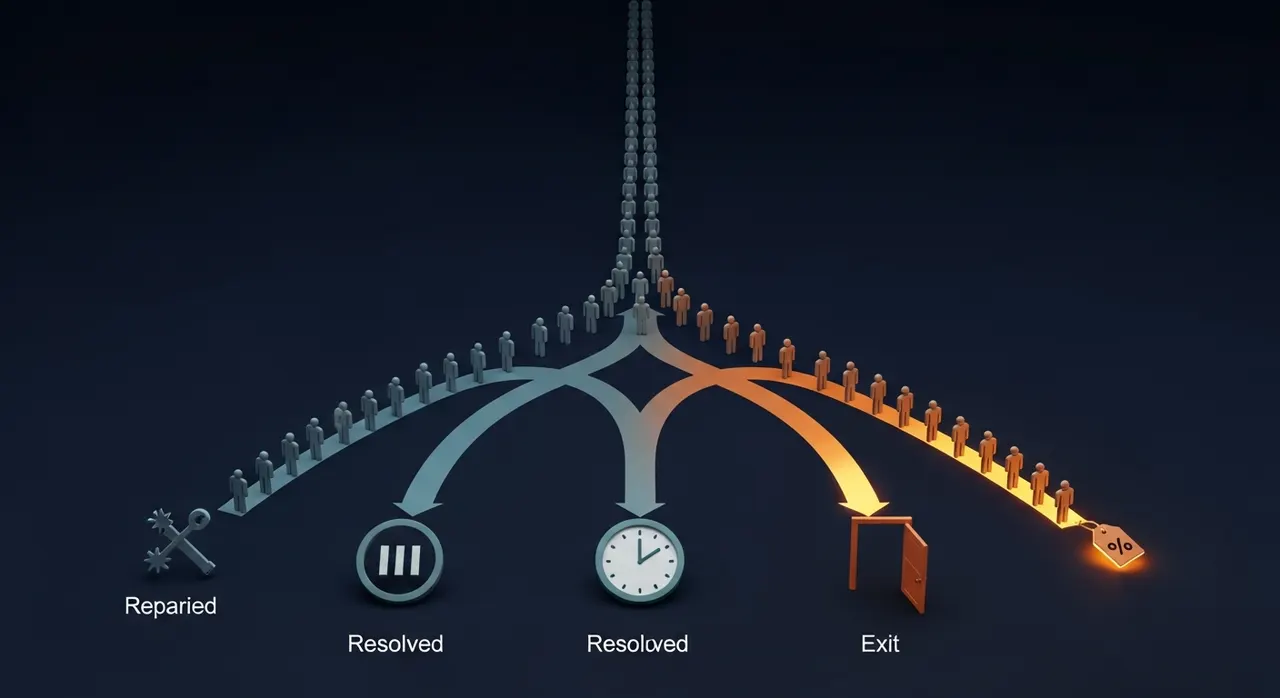
Which cancel reasons justify a save offer — and which destroy margin?

Composable or monolithic — can you afford the integration-maintenance tax?

Where is the cheapest place to catch defects before they ship?

Is the calendar — not order volume — triggering your peak staffing?

Are you holding a hire months past the signal to let them go?

What is Adobe Commerce’s real TCO before you sign?

Does a native app’s purchase frequency justify its commission?
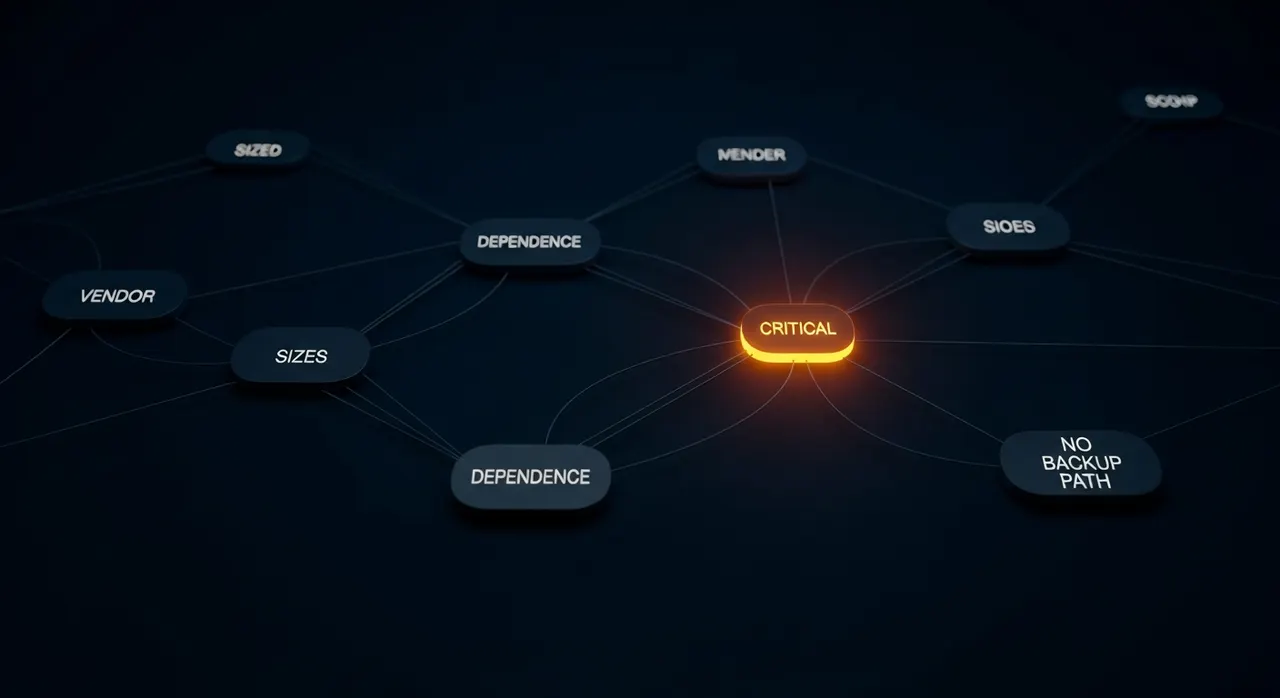
Where are the single points of failure that can erase a quarter’s margin?

Which binding capacity constraint should pick your platform?
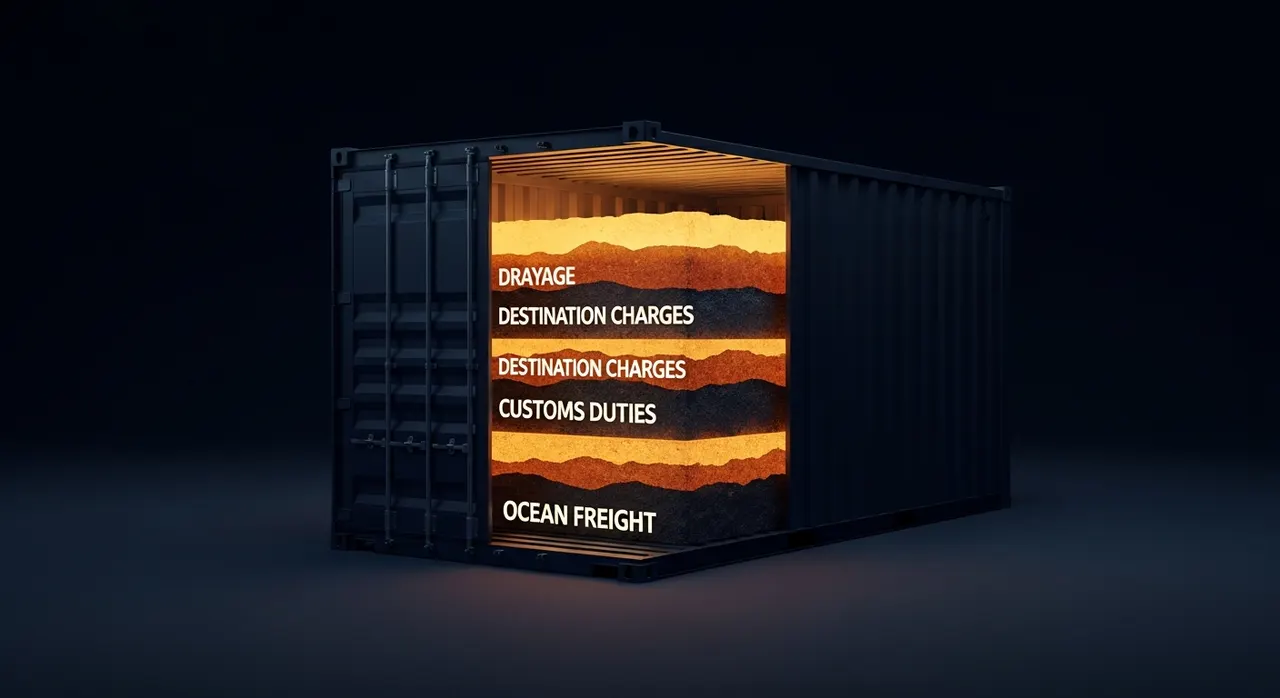
What turns a freight quote into a 2x invoice?

What roll-up math must you run before selling or buying a brand?

What does a VA really cost you in the first 90 days?

Do your channel, SKU, and entity counts actually justify an ERP?

Why does a simple safety-stock formula beat sophisticated forecasting?

How do you split cofounder equity without building a deadlock trap?

Do you have the data density for personalization to pay off?

Which chargebacks are worth contesting once labor cost is counted?

Are promotions building demand or destroying your pricing power?

Is your catalog machine-readable for AI-driven product discovery?

Is BNPL adding incremental revenue or just adding cost?

What does TikTok Shop really take before fulfillment?

Which SKUs can’t absorb tariff cost variance without breaking?

Is retail-media ROAS real lift or rent on demand you already owned?

Is your anti-fraud rule costing more than the fraud itself?

Is your catalog ready for AI agents that query, not browse?
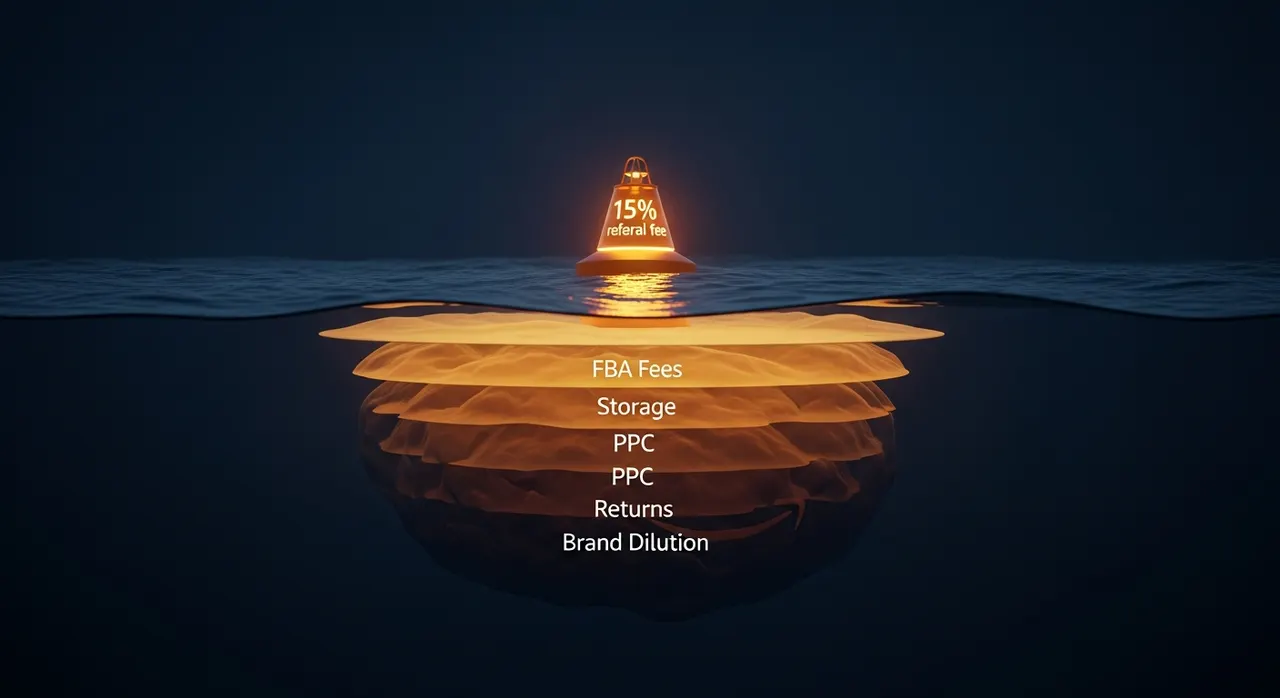
What is each marketplace’s real all-in take rate after every fee?

What’s the real landed cost behind your freight quote?
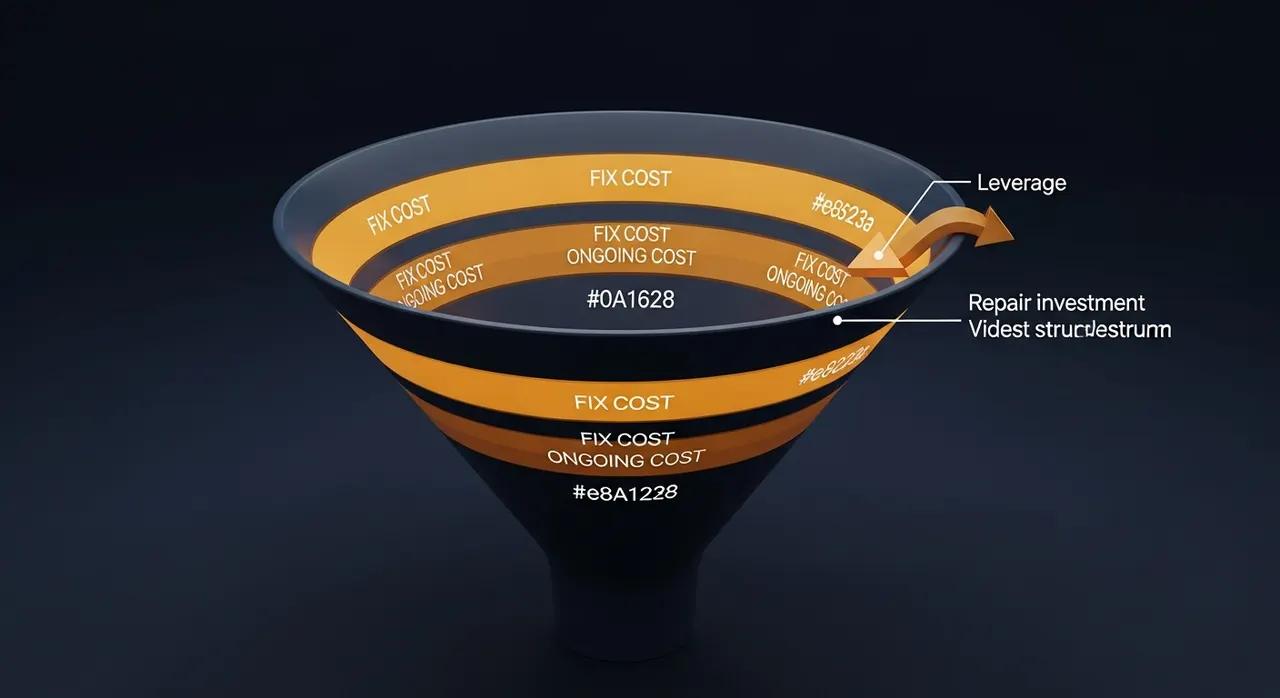
Should you fix the top contact driver instead of hiring agents?
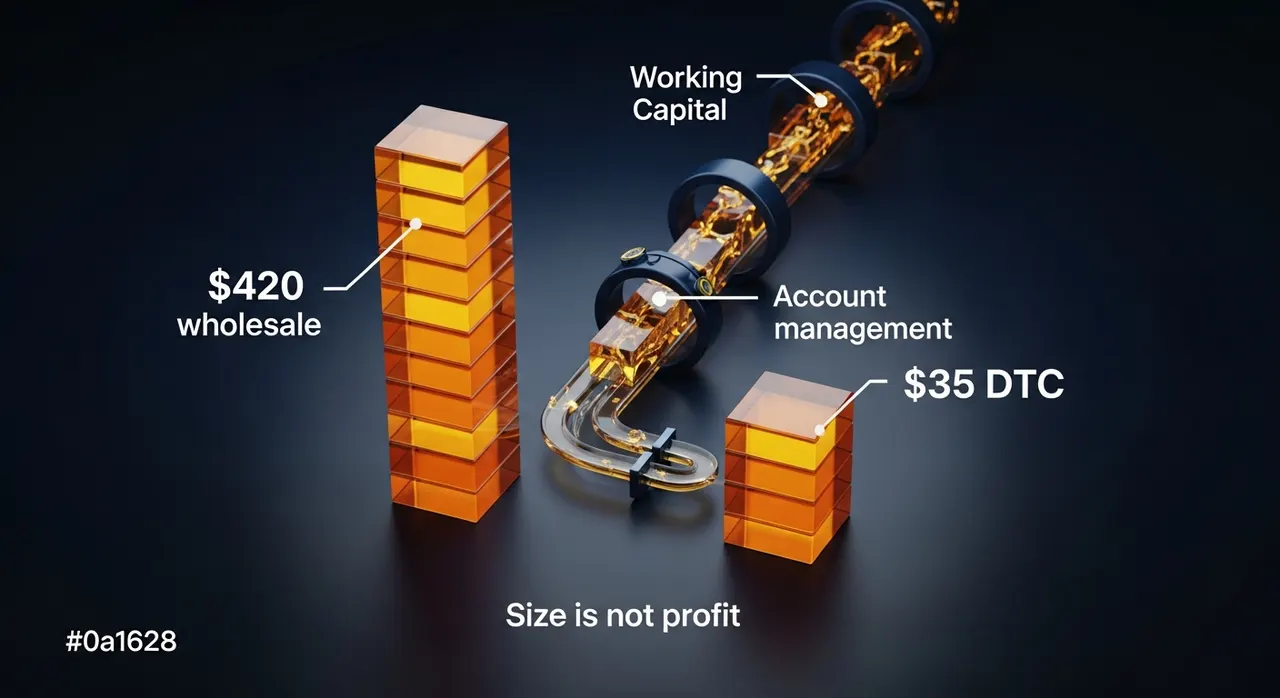
Is that big wholesale order actually more profitable than DTC?

Managed-service tax or technical-overhead tax — which fits you?

What is packaging really costing you once DIM-weight surcharges are counted?
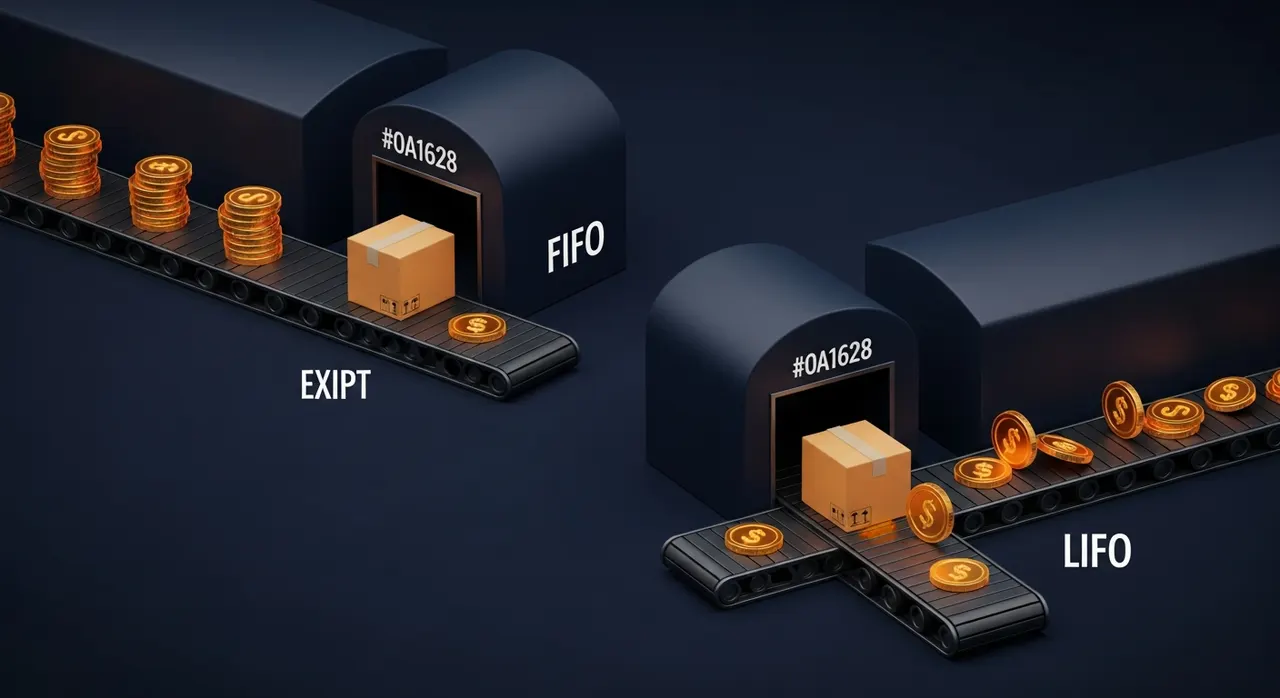
FIFO or LIFO — what gross-margin and tax gap does the choice create?

Amazon reach or own-store margin — what channel mix by stage?

Contractor or employee — where’s the crossover for this role?

Will a loyalty program clear the repeat-rate lift it needs to break even?

Is retention really cheaper than acquisition at your stage?
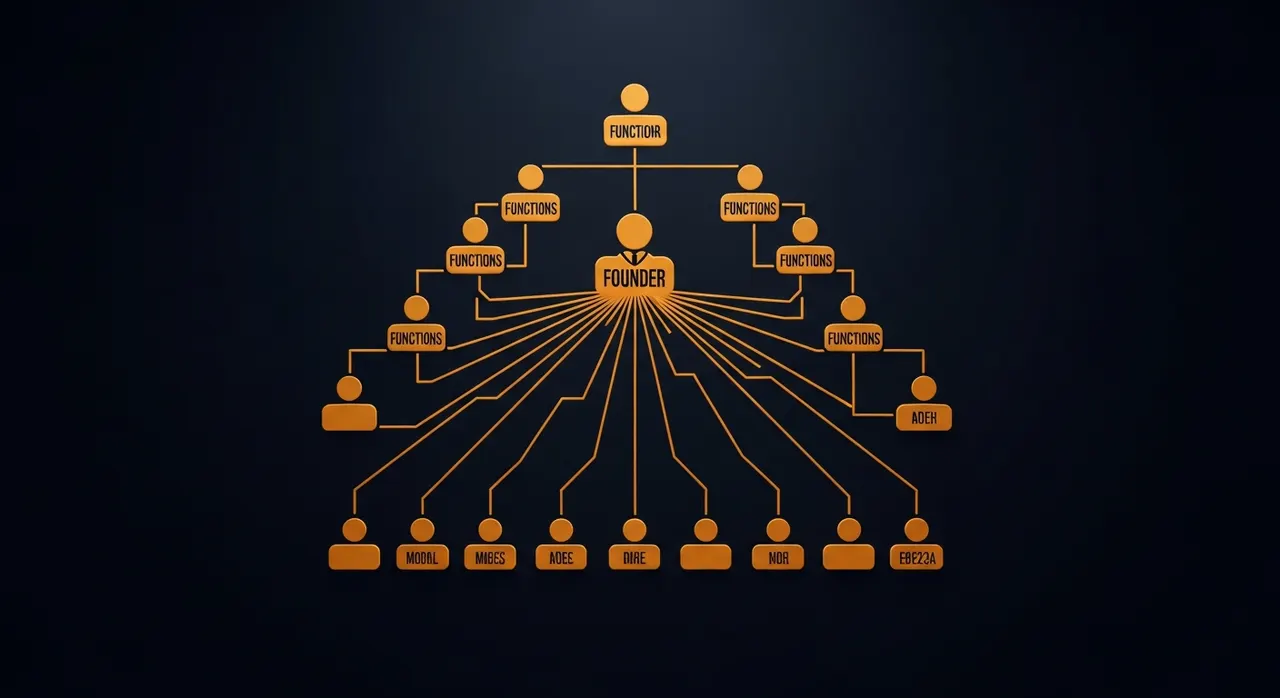
What hiring sequence prevents a founder bottleneck by $1M GMV?
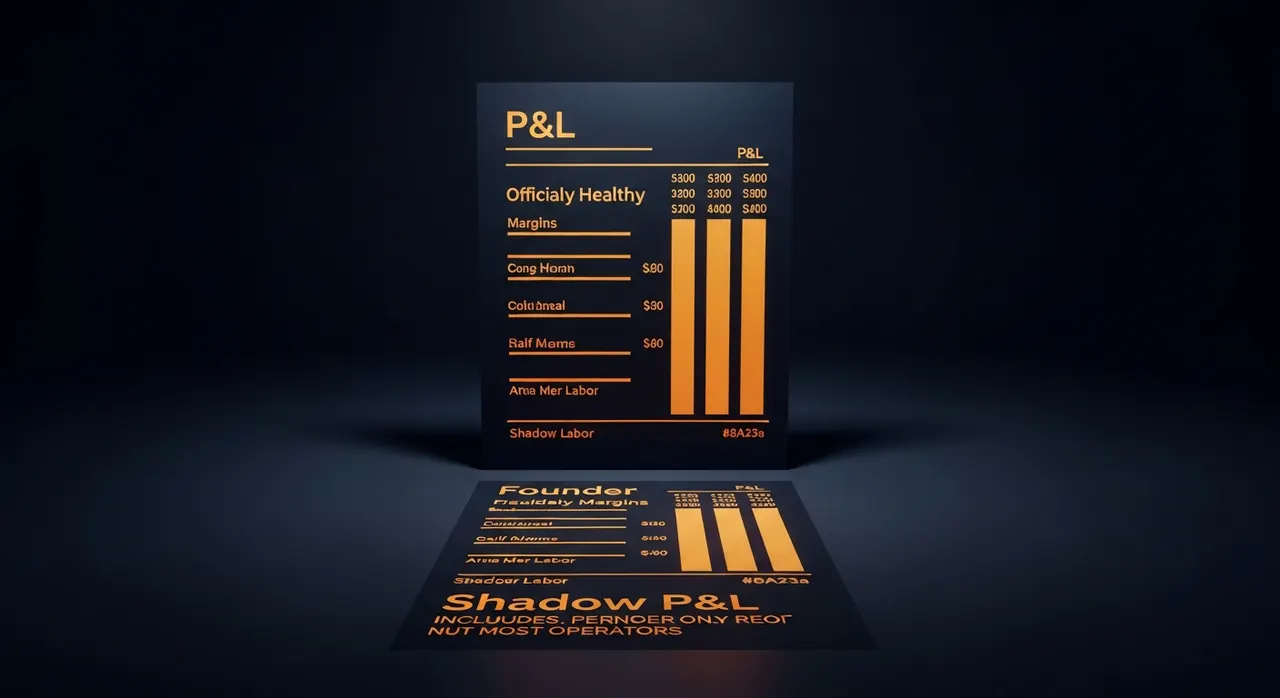
Does your margin survive once you pay yourself a real salary?

Does the math say it’s time to shut down — before emotion decides?

Which few metrics should actually drive your decisions?

Where is tech debt about to cause a cliff-edge failure?

Do you actually have a headless business case?
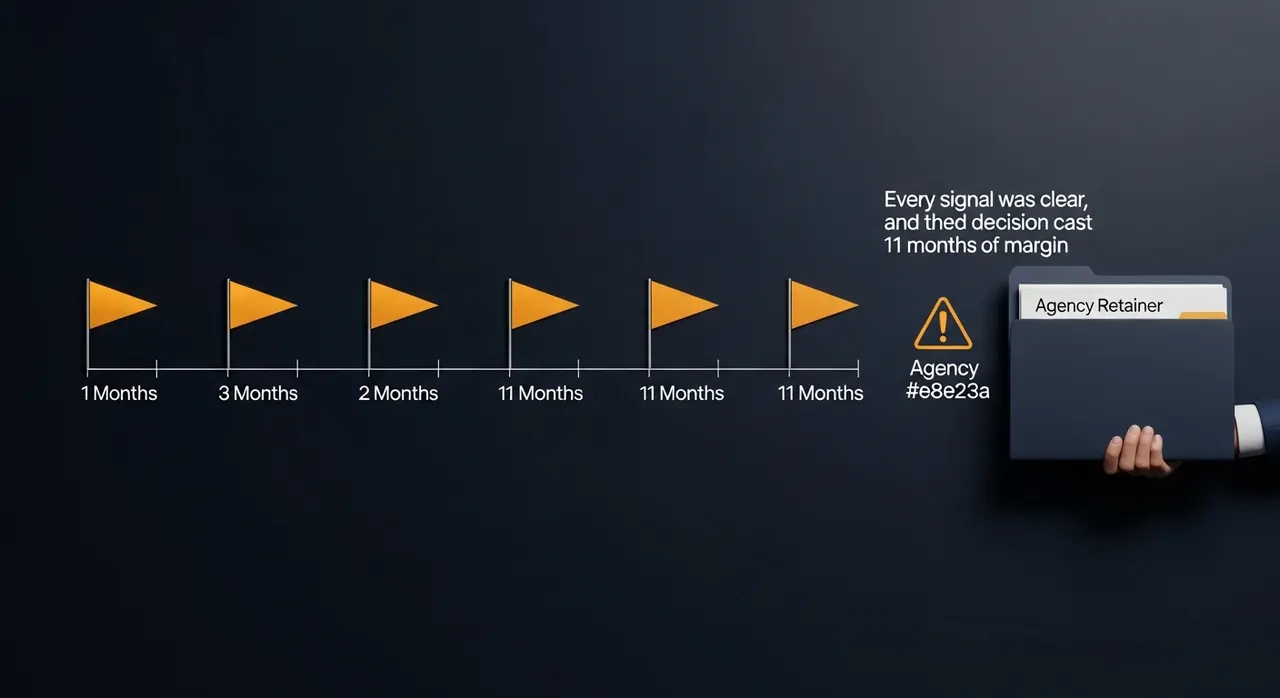
What measurable triggers say it’s time to fire your agency?

What is your affiliate program’s real all-in cost rate?

When does the math say to stop acquisition spend — before cash forces it?

Which binding constraint should set your wholesale/DTC mix?

Where can you recover 12–22% of last-mile shipping spend?

What does cross-border really cost per order before you expand?

Which systems break non-linearly in Q4 — and have you tested them?

Can your margin actually fund a free-returns policy?

What is your effective payment-processing rate really costing you?
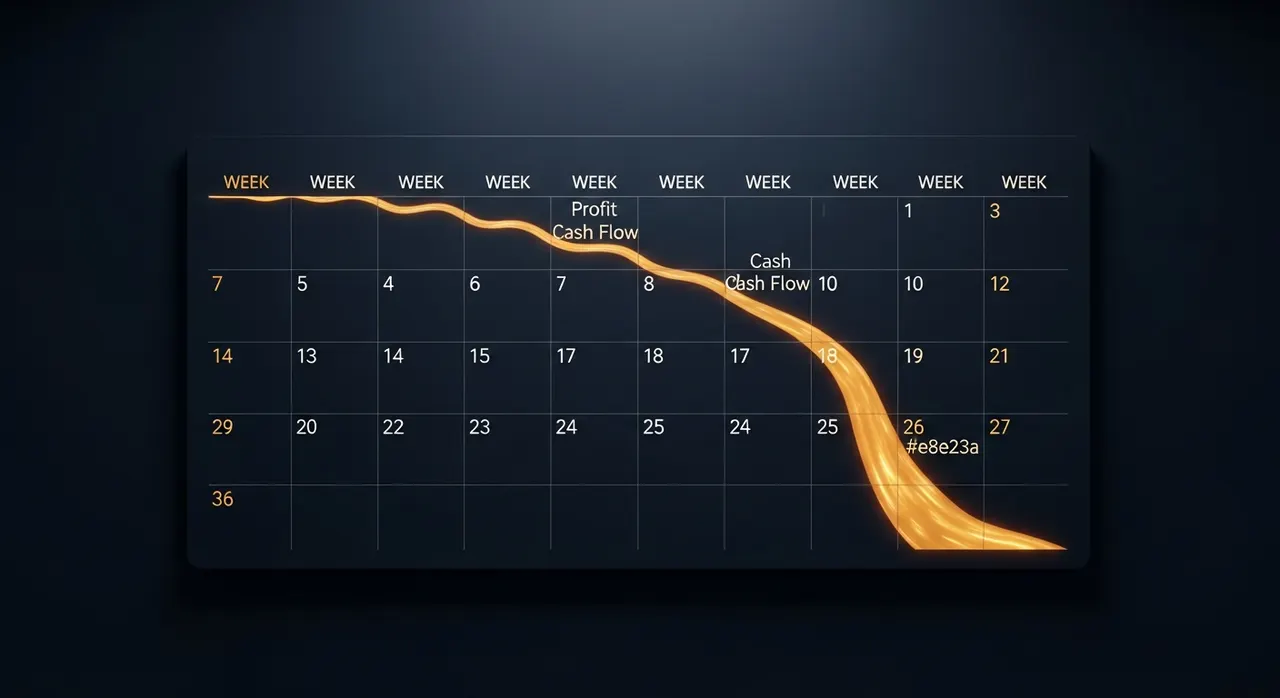
Could a profitable business run out of cash in the next 90 days?

Does your real contribution margin look nothing like your gross margin?

Are you in the rare conditions where a custom build is actually correct?

What is Shopify really costing across its full 7-layer stack?

When should you document SOPs — and which ones first?

DTC margin or marketplace volume — what’s your right mix?

Is revenue-based LTV inflating your customer value by up to 98%?

Is your supplier outcome set by skill or by leverage?

Are you overpaying for influencer marketing by a factor of three?

Agency or in-house marketing — which is right at your revenue?

What actually predicts 3PL performance beyond the RFP?

Are you pricing on gross margin and missing your true variable cost stack?
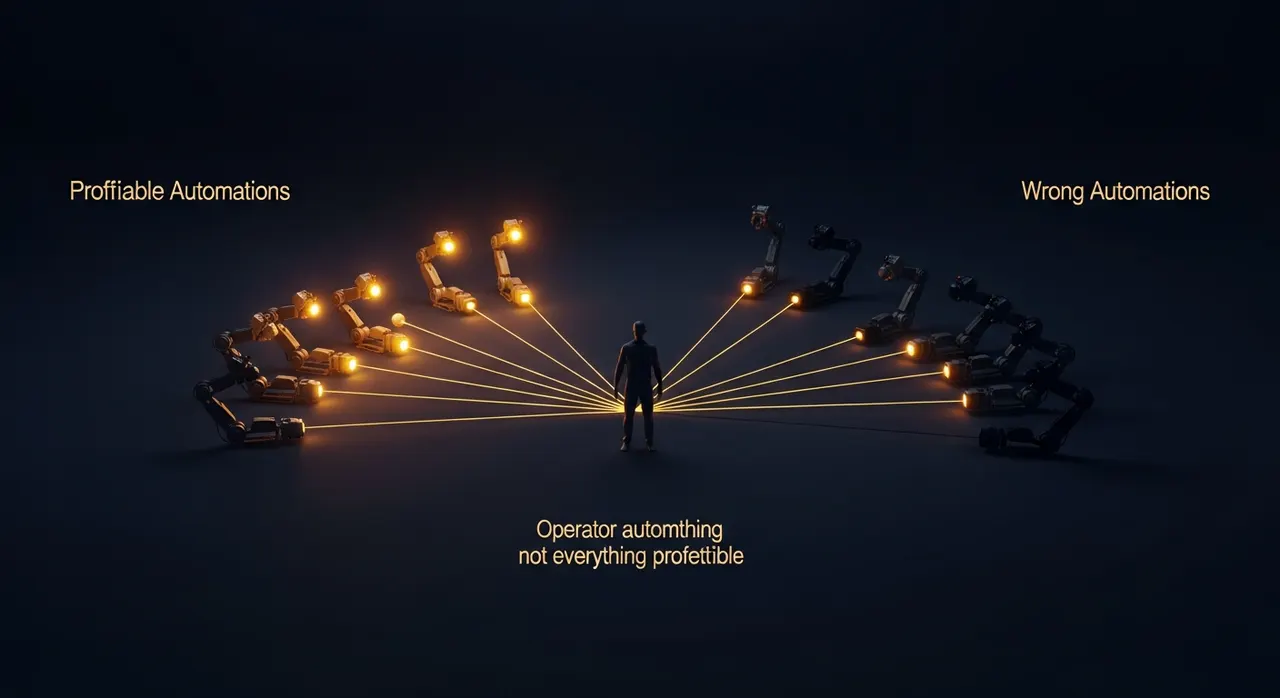
Which tasks should you automate first for real ROI?

Is hidden purchase-rate decay quietly costing you six figures?

Hire your first employee or outsource — which compounds for you?

Is a subscription model recurring revenue or recurring losses for you?

Is optimizing conversion rate in isolation actually shrinking revenue?

Is adding sales channels real growth or hidden margin destruction?

What hidden cost layers blow up a replatforming project?

When does a free tool actually cost more than the paid one?

Is working capital quietly strangling your growth between $30K–$80K/month?

What is your business worth — and what destroys the multiple?

Is your SEO traffic the kind that ever converts to revenue?
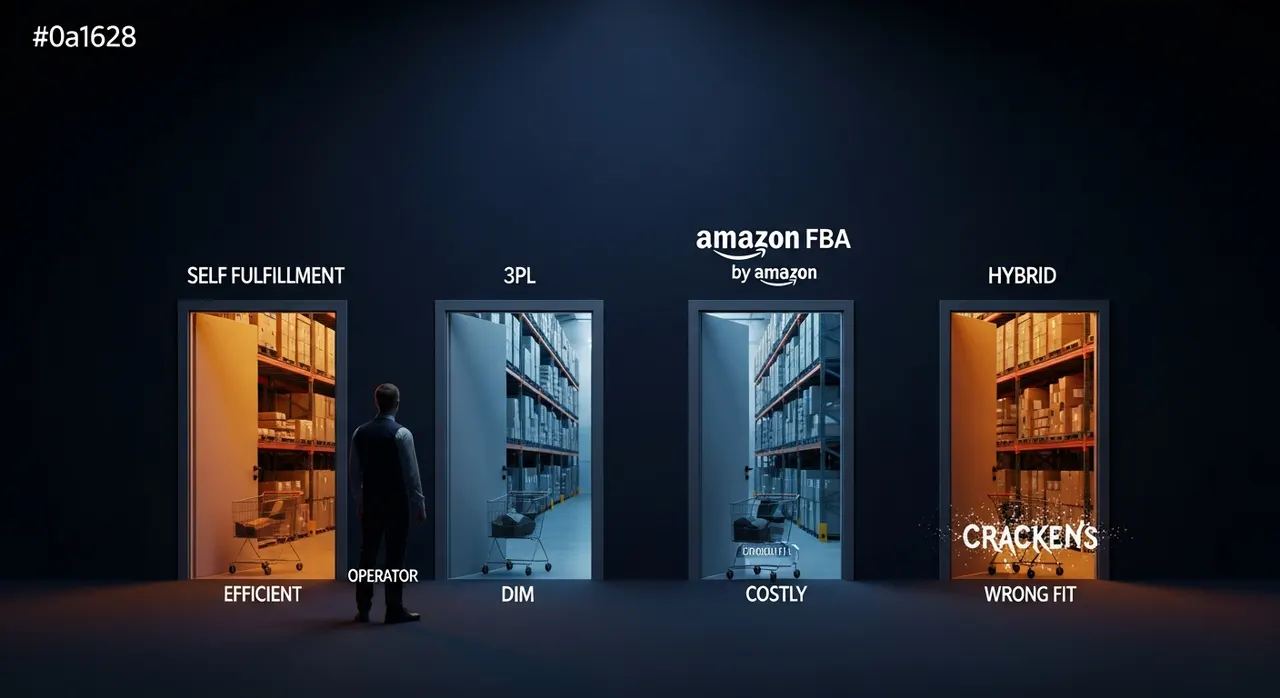
Self-fulfill, 3PL, FBA, or hybrid — where’s your crossover point?

What is each integration really costing you to build and maintain?

Are you ready to scale — or about to destroy margin and cash?

How should you split spend between paid and organic at your stage?

Are you running email as campaigns or as revenue infrastructure?

At what monthly order volume does your store actually break even?

When does the cost of staying on your platform exceed the cost of leaving?

What are returns really costing your margin?

Hire a person or automate this task — which pays back?

Which shipping model protects margin at your zones and AOV?

Which platform fits your constraints without trapping you later?

What is your tool stack really costing once integration and switching are counted?

Is inventory investment outpacing cash flow and stalling growth?

Are you calculating CAC at half its real number?