Author
104 articles on eCommerce decisions, systems, and realities.
eCommerce Analyst at AHAeCommerce
Virality is rented; loyalty is owned. The maxim is a capital-allocation rule. Here is the rented-to-owned conversion rate that decides where your next dollar goes.
65% of high-potential startups fail on cofounder conflict. The 50/50 split with no tiebreaker is the deadlock trap. Here is the contribution-weighted math.
Lead-time variability, not demand misprediction, causes most stockouts. Why a 5-minute safety-stock formula with accurate inputs beats sophisticated software with garbage data.
$30K–$120K/year is the real cost of an eCommerce ERP. The trigger is channel count, SKU count, and entity count — not revenue. Here's how to decide.
The real all-in cost of an $8/hr VA is $15-22/hr for the first 90 days. The math operators miss when they hire to fix overwhelm — and what to do instead.
Thrasio raised $3B, peaked at $10B, filed Chapter 11. The roll-up math operators must run before selling or buying a brand under a holding structure.
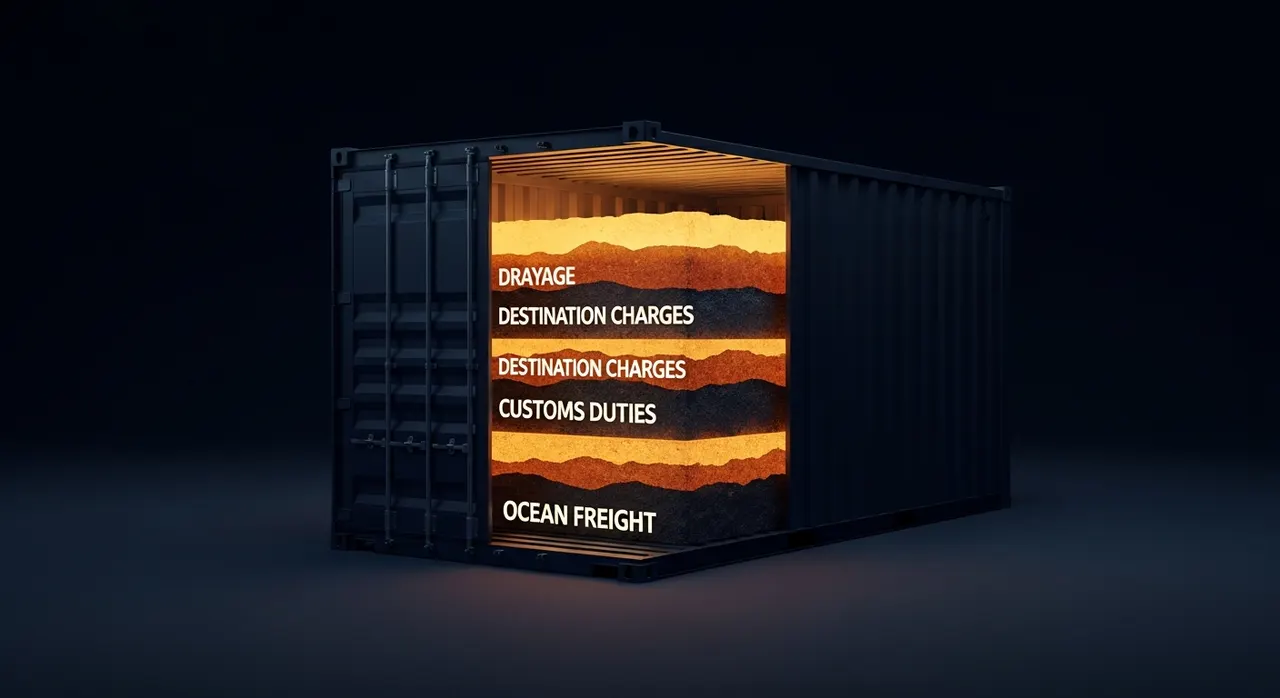
A $4,500 ocean quote becomes $7,200–$9,500 invoiced. Here is the full per-container cost stack — origin, destination, ISF, drayage, MPF, HMF — line by line.
Shopify Plus runs $2,300/mo plus $2K–$7K in apps; BigCommerce hits 400 API calls/min vs Plus's 10. The mid-market decision isn't GMV — it's binding capability.
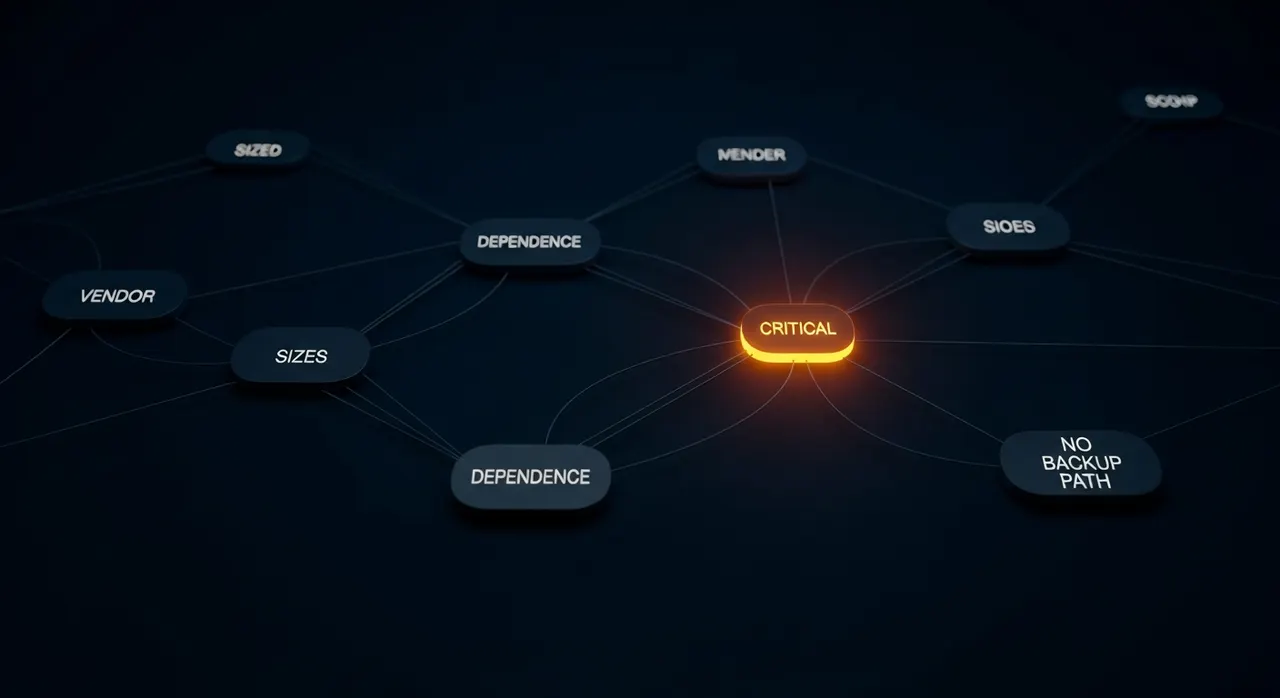
One 40% price hike from a sole 3PL can erase a quarter's margin. The decision framework that names single points of failure before they fail you.
The Adobe Commerce license runs $22K–$125K/year — but the real TCO hits $250K–$600K once you add the dev team. Here's the full math before you sign.
Most operators fire 3-6 months too late, and that delay costs more than severance. SHRM puts replacement cost at 50-200% of salary — here is the regret test.
Recruit by September, train by October, full staff by mid-November. The calendar — not your November order volume — is the trigger for peak season staffing decisions.
At 100 orders/day a 1% defect rate ships 1 bad unit/day. At 2,000 orders/day it ships 20 — and pre-ship inspection is the most expensive place to catch any of them.
Composable commerce needs a 3-5 person engineering team to maintain the seams. Here's the integration-maintenance tax behind the 'future-proof' MACH pitch.
Run 3 separate stores and you triple inventory sync, app subscriptions, and SEO authority dilution. Score 4 shared-vs-distinct factors to decide split vs merge.
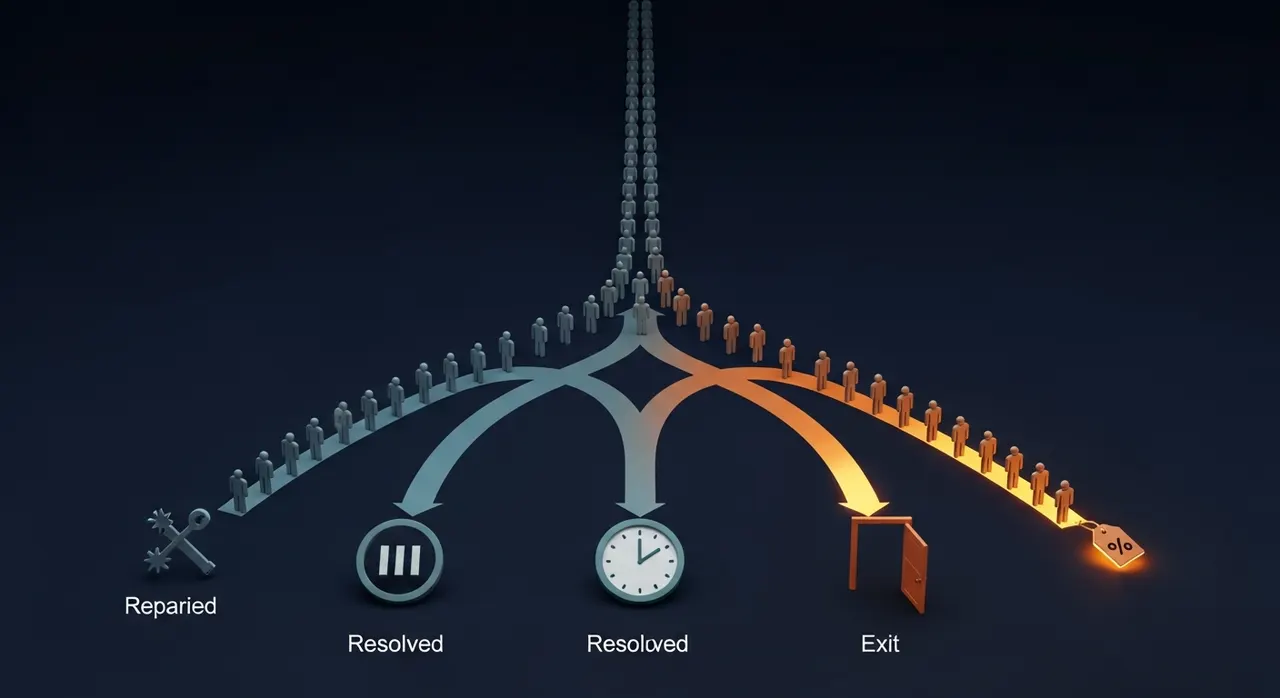
A 20% blanket save discount on a $40/mo subscriber erases ~8 months of margin. The decision isn't whether to save — it's which cancel reason justifies a discount. Only one does.
Your dashboards sum to 140% of actual sales. Attribution is your ad vendor's marketing — incrementality testing reveals channels drive 40-70% of claimed revenue.
Branded search below 15% of total signals a brand-demand deficit inflating your performance CAC. The 60/40 split applies to DTC — here's the timing and measurement that actually works.
The all-in 3PL cost runs 1.4-1.8x the headline pick-pack rate. How to decide between in-house, 3PL, and 4PL fulfillment at $1M-$10M GMV.
For content-led stores under ~$500K GMV with under 100 SKUs, migrating off Wix or Squarespace to Shopify can cost 40-80 founder hours and destroy more value than it creates.
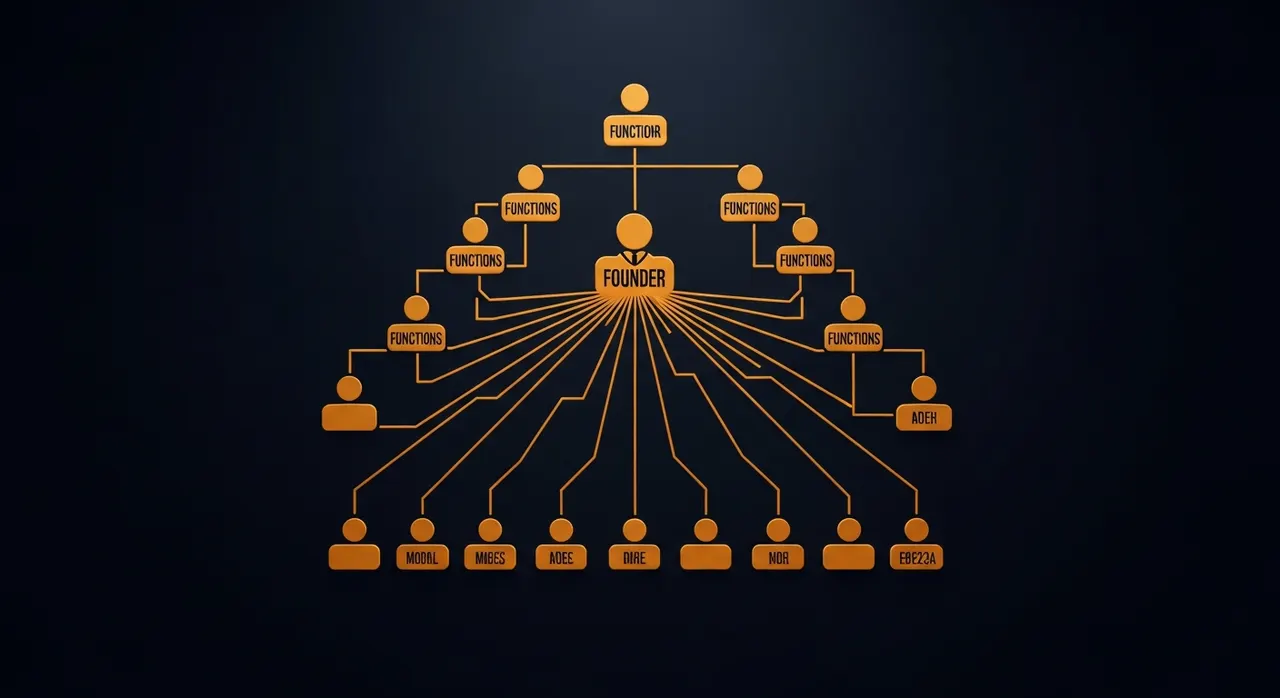
A $150K–$220K Head of eCommerce only pays back if you delegate authority. The real hire trigger is not $5M revenue — it is you blocking 3+ functions at once.
Equity in a bootstrapped DTC brand with no exit is worth $0 to the hire and dilutes you forever. The real trade-off most founders never run.
Real incremental retention from points programs is 2-5% — most of your redemptions go to customers who would have repurchased anyway. Here's the math.
A $50,000 FMC bond moves your container; a CBP-licensed broker clears it. Confusing the two roles costs 2-3 points on every duty bill you sign.
73% of eCommerce content teaches clicks, not choices. Intelligence is the discipline of binary decisions: framework, cost reality, trade-off, kill switch.
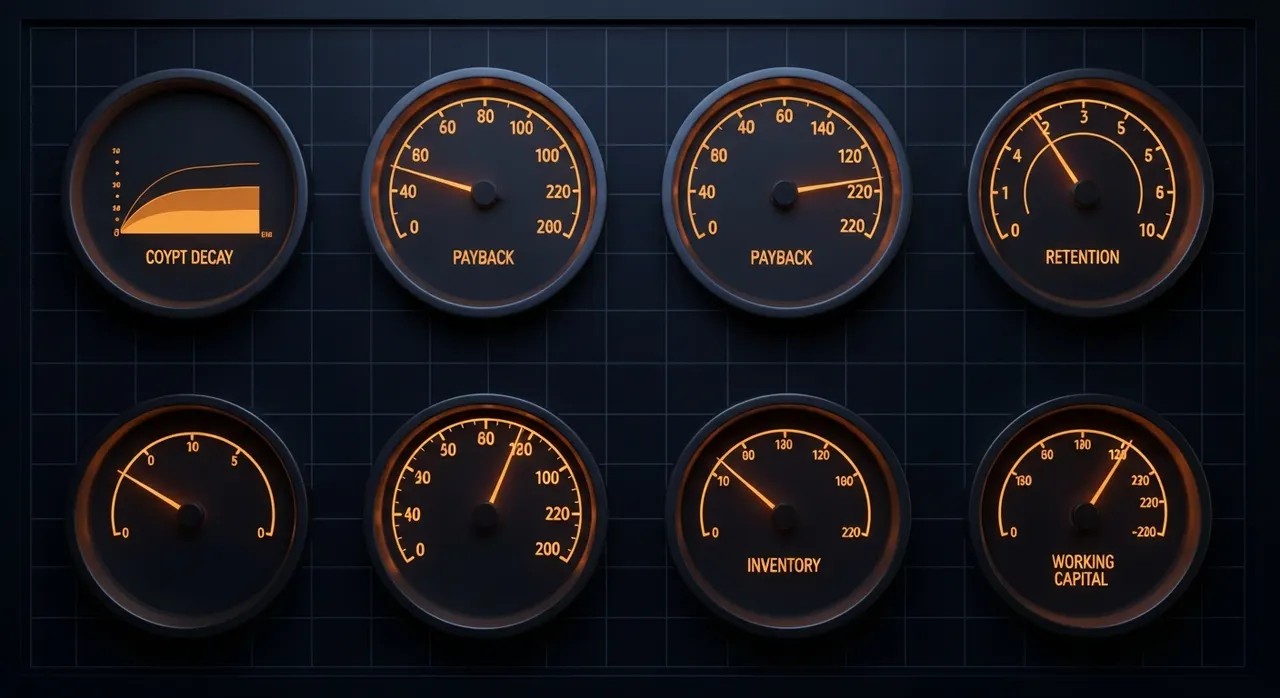
8 numbers investors actually pull in diligence — and why cohort retention decay kills more $1M-$5M GMV raises than headline GMV or gross margin ever do.
Most $500K–$5M DTC operators have triggered economic nexus in 15–30 states without registering, accruing $5K–$80K in penalty and interest exposure.
Real ecommerce bot deflection is 15-25%, not the 60% vendors quote. Here's the cost math that decides whether automation pays back or makes service worse.
Switching review platforms can strand 4,000+ reviews. The real decision is data portability and syndication, not features — here's how to choose so your social proof moves with you.
A single admin email takeover costs SMB eCommerce brands $120K–$450K. Here's what platform-managed security actually covers and what you still own.
A native app charges you 15-30% app-store commission on in-app sales — and only pays back if customers buy 6+ times a year. Here's the frequency math.
Below a data-density threshold, personalization creates operational noise before lift. The 5-field readiness score for operators evaluating personalization tool investment.
A $45 chargeback costs $37–75 in fees and labor to contest. Chargeback win rate without labor cost and processor risk is a vanity metric. The fight/accept/prevent matrix.
When your customer's reference price is set by promotional history, you no longer control your pricing. How to measure whether promotions are building or destroying LTV.
AI discovery rewards structured product facts, not compelling copy. 39% of shoppers use AI for discovery. How to make your catalog machine-readable for AI recommendation.
BNPL fees run 2–8% vs 1.5–2.9% for cards. If 60% of BNPL conversions happen anyway, your real incremental cost is 3x reported. The holdout test model for real ROI.
At 20% creator commission, 12% discount, and 5% platform fee, TikTok Shop takes 37% before fulfillment. The per-unit cost model for evaluating channel viability.
The dangerous SKU is not the one with the highest tariff — it is the one whose price ceiling cannot absorb cost variance. The three-scenario landed cost model.
Retail media ROAS can look strong while contribution margin falls. When ads capture demand you already owned, marketplace advertising becomes rent. Here is the model.
9% of eCommerce returns are fraudulent at $4.61 in total cost per $1 of fraud. The wrong anti-fraud rule costs more in lost legitimate customers than it saves.
AI shopping agents query, not browse. If your catalog data cannot answer a query precisely, the agent routes around you. A readiness audit for AI-mediated commerce.
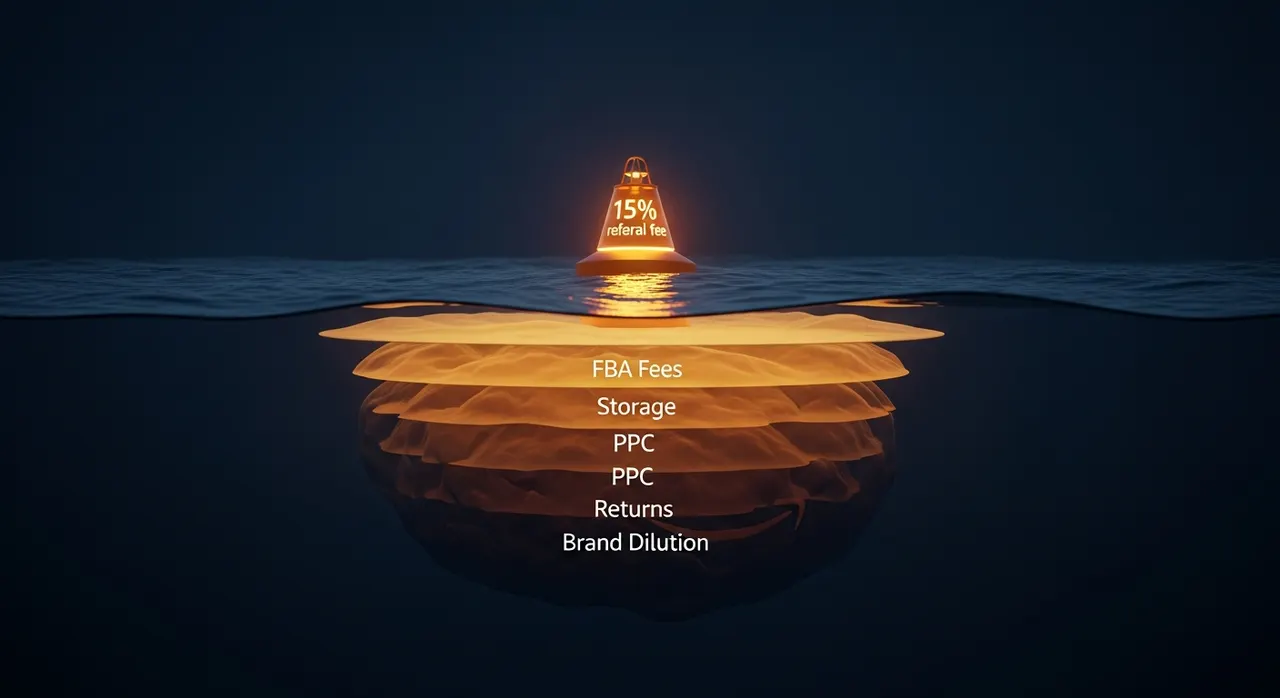
Amazon's 15% referral fee becomes a 42% all-in take rate after FBA, storage, PPC, and returns. Etsy is 26%. eBay is 22%. Compare the actual cost across channels.
A $3,200 ocean freight quote becomes a $5,125 invoice after origin, destination, customs, ISF, drayage, and chassis charges. The quote is 63% of true cost.
Top 3 contact reasons drive 55-65% of tickets. Fixing the top driver saves $5,940/yr on $4,500 one-time spend — recurring. Most brands hire agents instead.
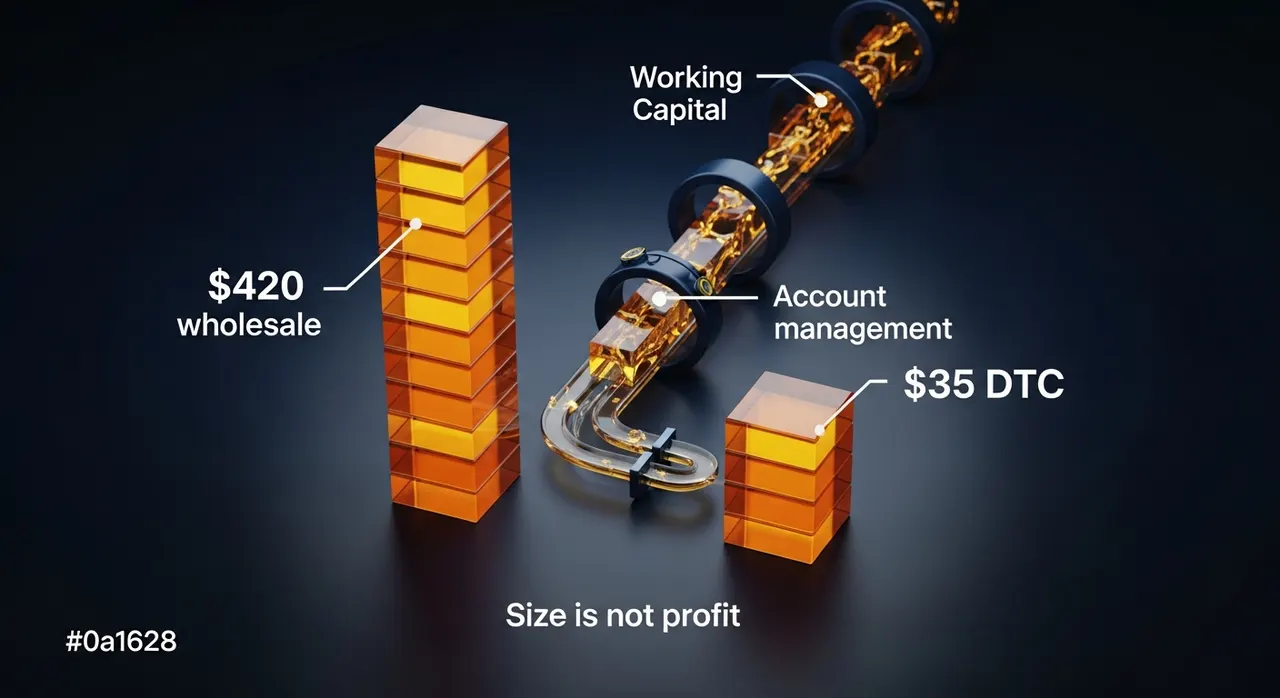
A $420 wholesale order looks 12x more profitable than a $35 DTC order. After working capital, account management, and bad debt allocation, it makes 13 points less.
The Shopify vs WooCommerce decision is not features vs price. It's managed-service tax vs technical-overhead tax — and the crossover sits at $500K-$750K GMV.
A brand shipping 12K orders/year in oversized boxes pays $14,400 in DIM weight surcharges alone. True packaging cost is 3-8% of revenue, not 1.5%.
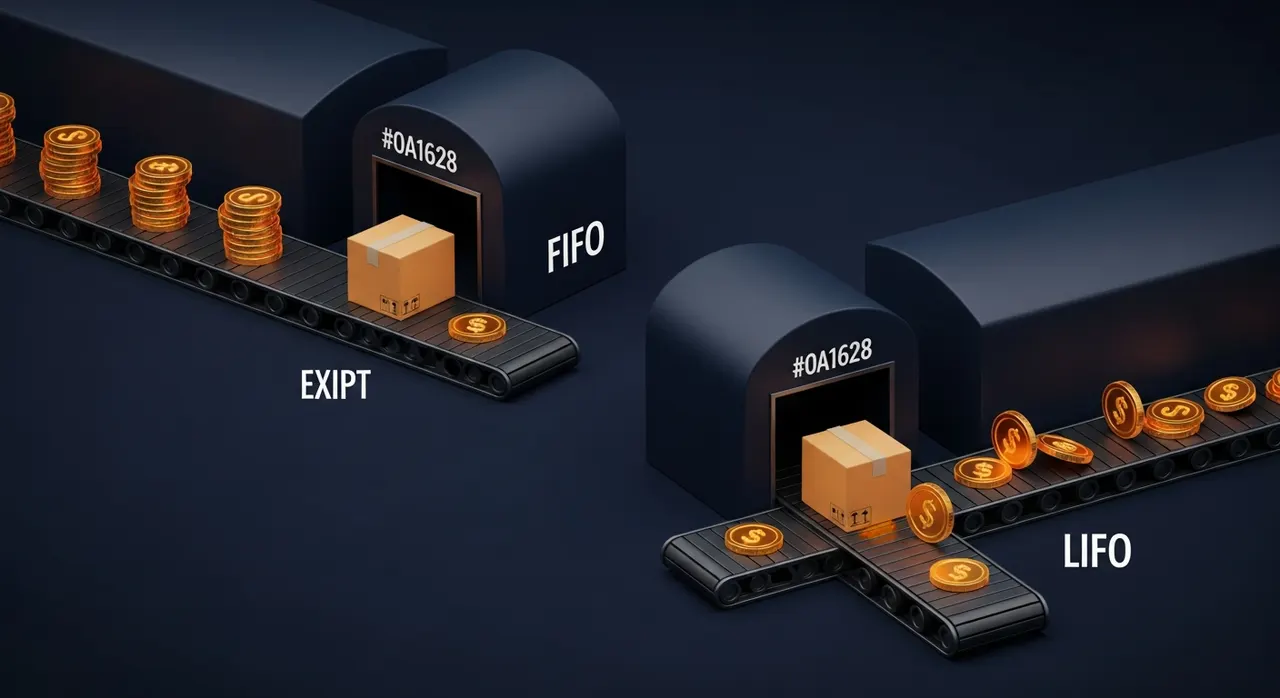
At $1.2M inventory with 8% cost inflation, FIFO vs LIFO produces a 4.7-point gross margin gap and a $20K annual tax difference on the same physical business.
Amazon takes 35-45% of revenue when you stack referral, FBA, storage, PPC, and returns. The real question is the channel mix by stage — not a binary.
A $60/hr contractor at 30 hrs/week costs more than a $75K employee fully loaded. The crossover threshold is 28 hours — here is the calculation by role.
A 5%-back loyalty program at 38% margin needs a 17% repeat-rate lift just to break even. Here is the calculation almost no operator runs before launch.
'Retention is 5x cheaper than acquisition' is true at scale and false below $1M GMV. Here is the brand-stage model that determines the right channel mix.
The wrong first hire embeds a founder bottleneck that costs $80K-$140K to remediate by $1M GMV. Here is the GMV-tier hiring sequence that prevents it.
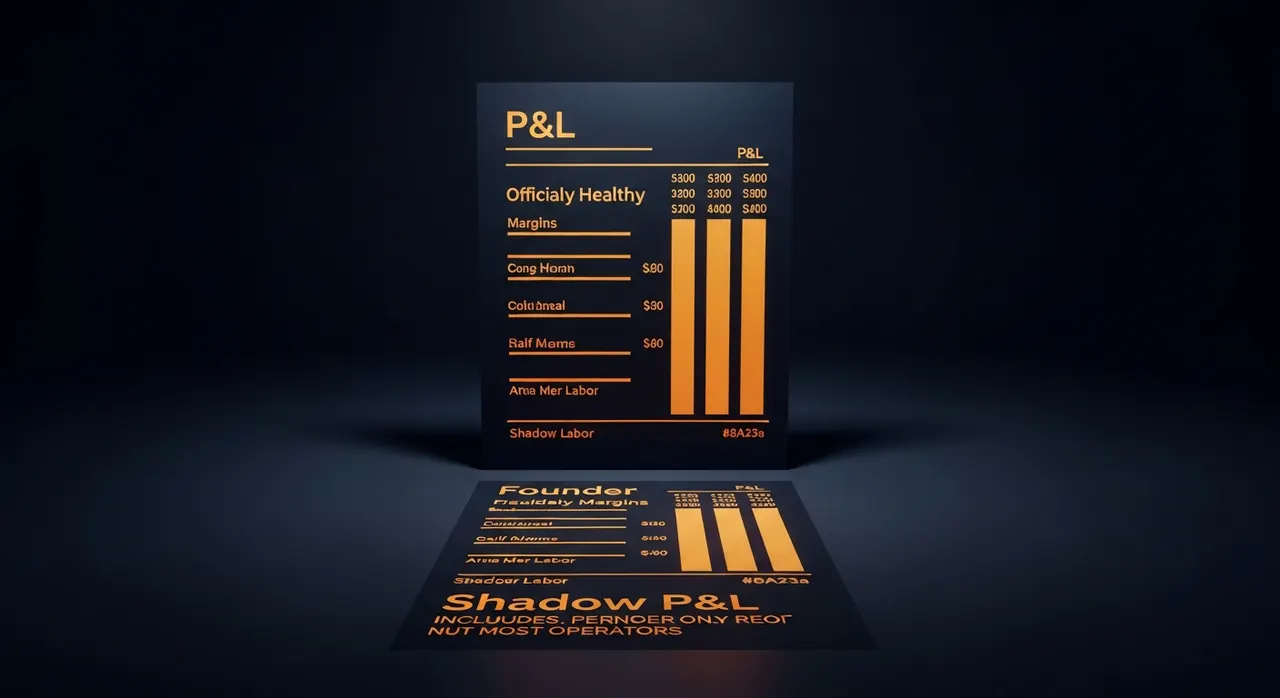
Most eCommerce P&Ls exclude founder labor — making 18% margins look healthy when true margin is 9%. Here is the recalculation that exposes real profitability.
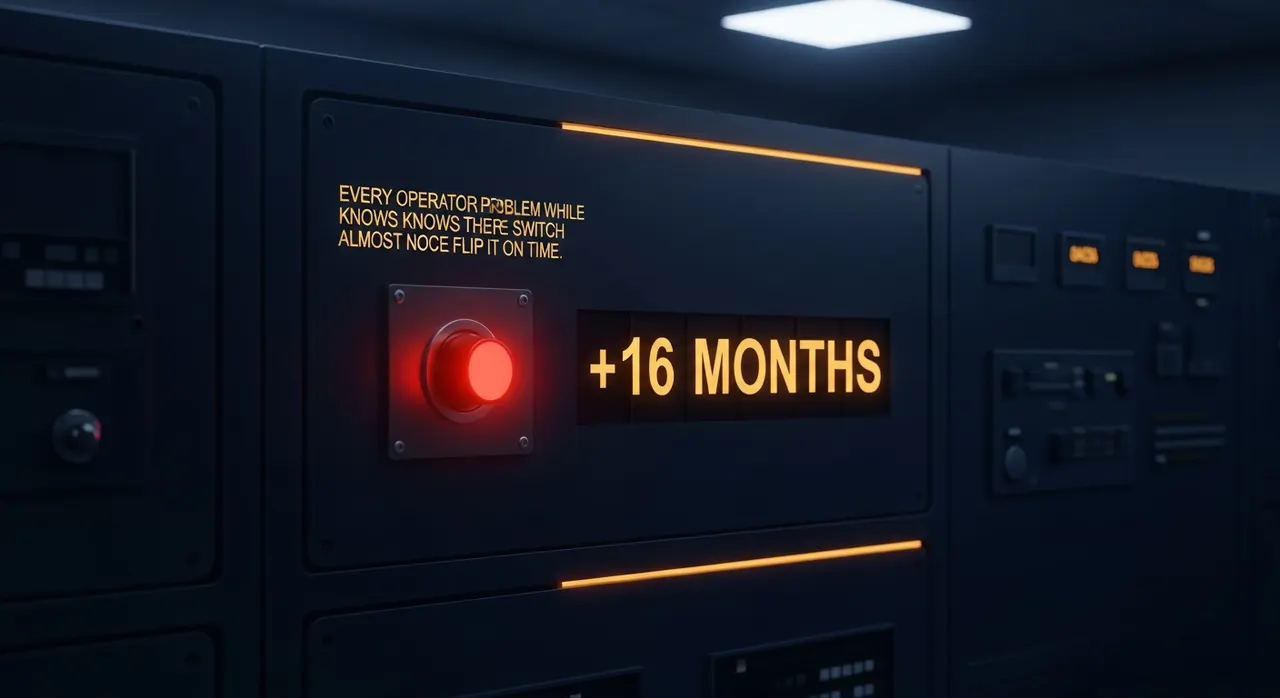
The median underperforming eCommerce business shuts down 16 months past the financial signal. Here is the 4-metric test that removes emotion from the decision.
The median DTC brand reports 47 metrics and uses 6 to make decisions. Here is the 3-layer x 2-metric framework that drives 2-3x faster operating cycles.
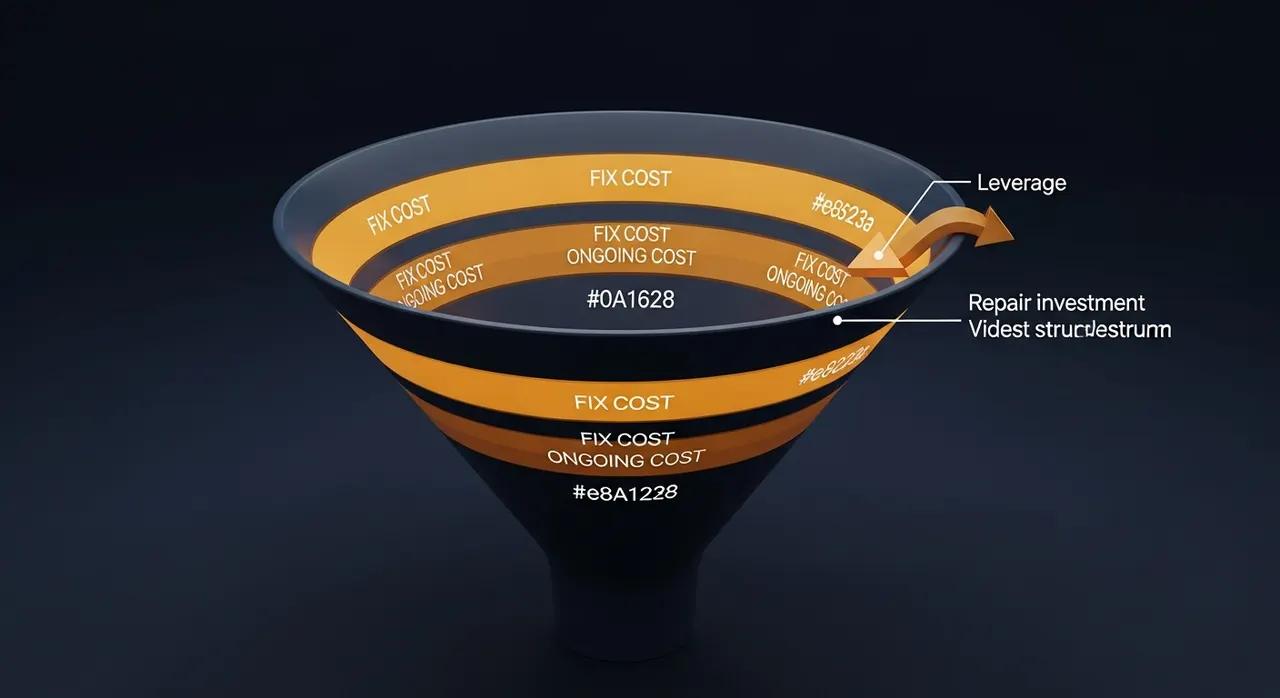
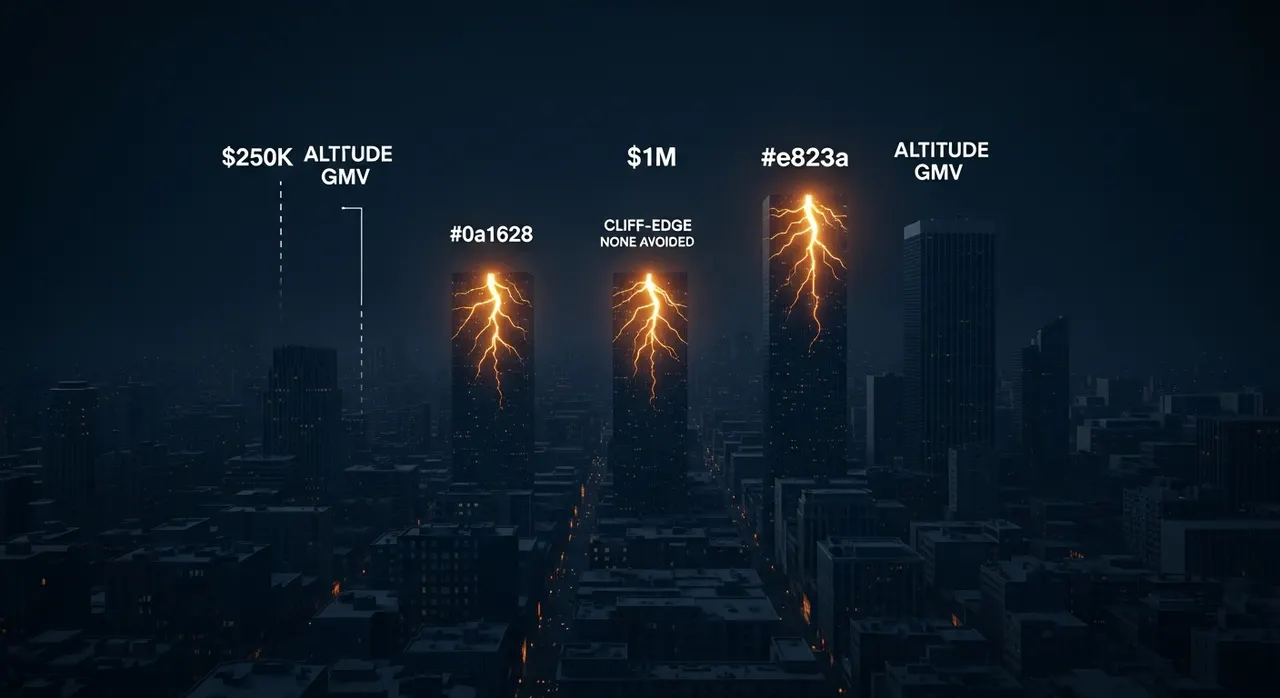
eCommerce tech debt creates cliff-edge failures at $250K, $1M, and $5M GMV. Proactive paydown costs 2-6x less than reactive emergency remediation.
Less than 5% of operators have a headless business case but 22% are evaluating it. Here is the 3-condition qualification test and the $530K 5-year TCO gap.
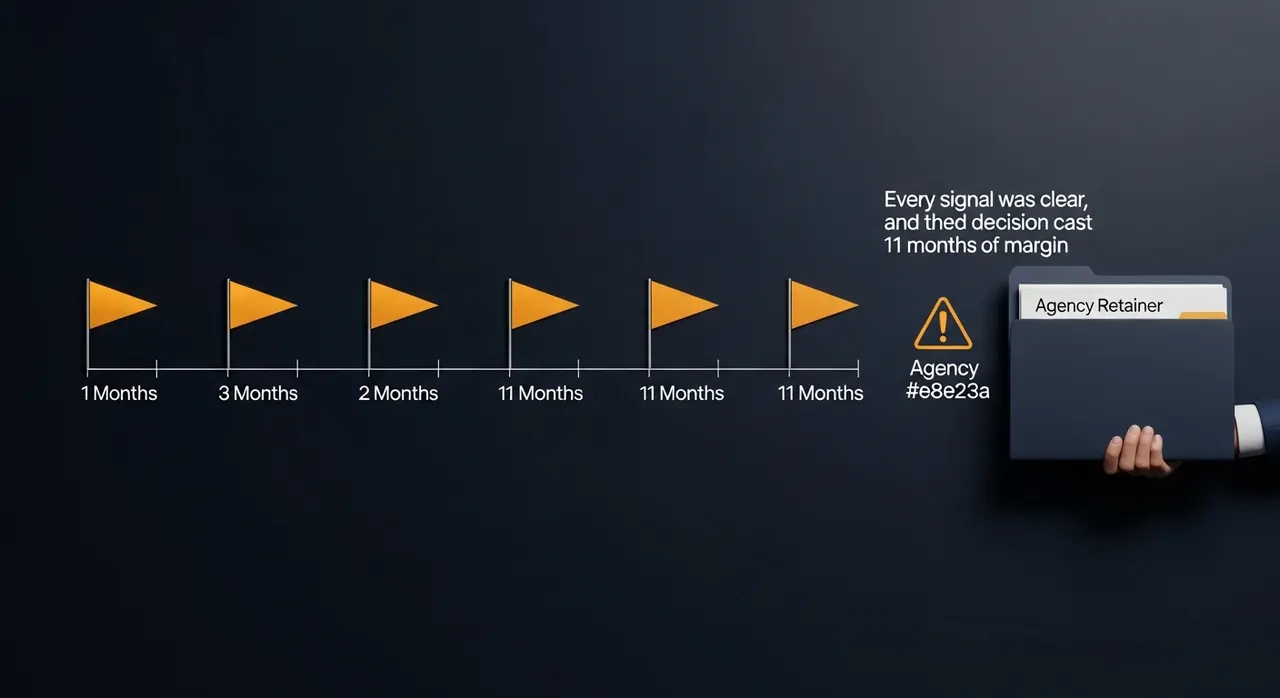
The average underperforming agency relationship runs 11 months past the kill signal. Here are the 5 measurable triggers that say it's mathematically time to leave.
Affiliate programs aren't 15% commission — they're an effective 53–61% all-in cost when platform fees, fraud, management, and cannibalization are added back.
Operators cut acquisition spend when cash gets tight, not when math says to. The 1.5x marginal-CAC kill signal usually fires 4–6 months before the cash crisis.
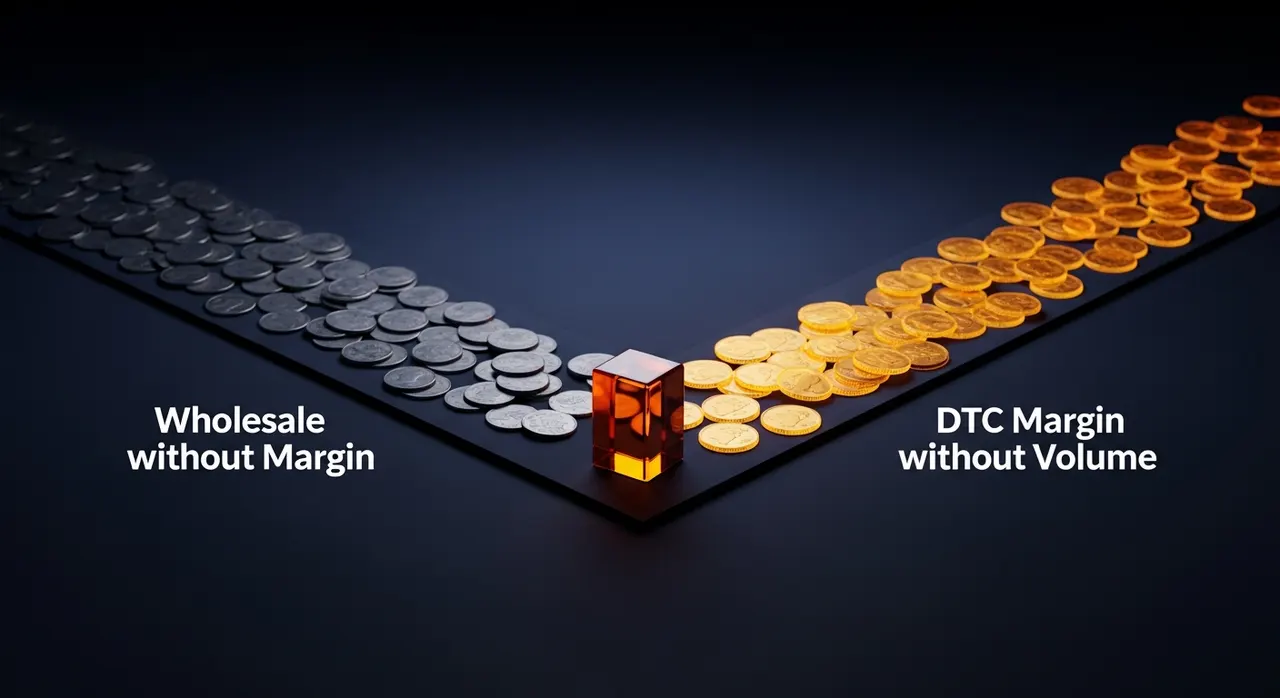
Wholesale vs DTC isn't a purity question — it's a constraint question. Identify your binding constraint (margin/volume/distribution/data) and the mix follows.
Last-mile is 53% of shipping cost — and the leg with the most operator leverage. Here's the audit framework that recovers 12–22% of shipping spend.
Cross-border looks like a revenue opportunity; it's a cost structure decision. Same $80 product costs 2.4–3.9x more variable cost to ship to Canada, Germany, Australia.
A 4x revenue increase doesn't produce 4x operational load. Here are the 5 systems that break non-linearly in Q4 and the pre-season tests that surface each one.
A typical apparel return costs $14–$23 fully loaded. Free returns is a marketing line dressed as an operations decision. Here's the model and the threshold.
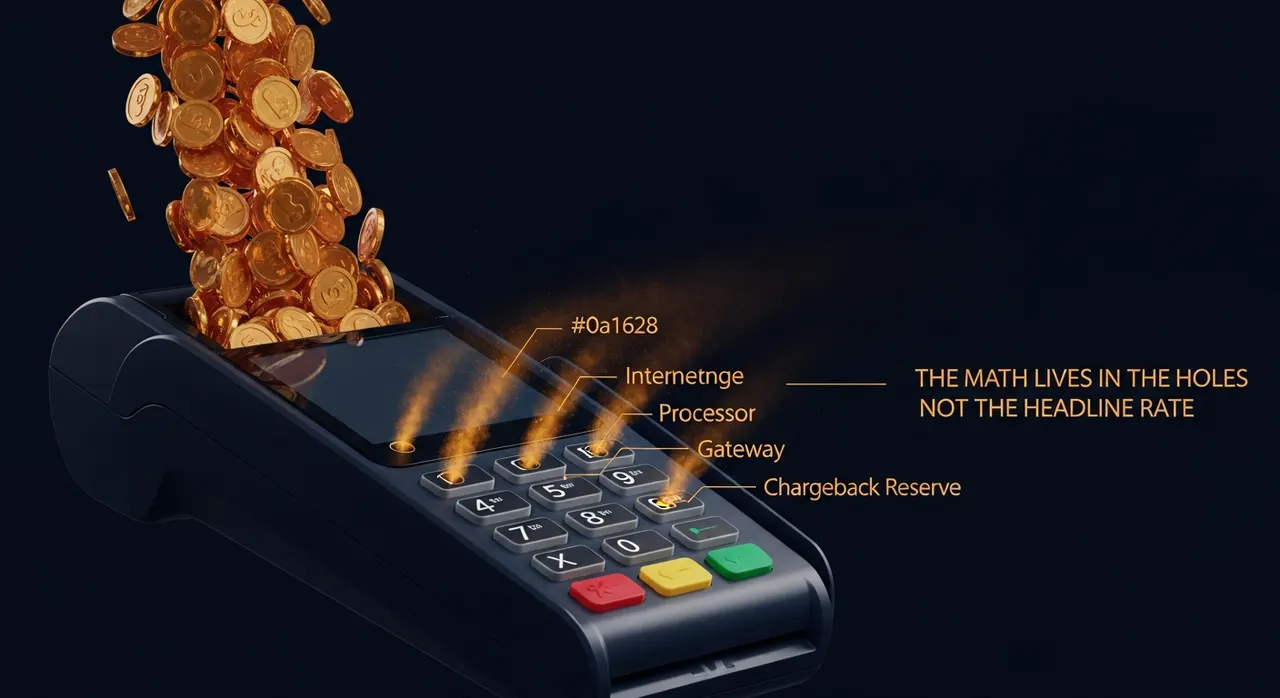
Your '2.5% + $0.30' rate is operationally 3.18%. Here's the 5-layer cost stack and the negotiation thresholds where each tier actually unlocks.
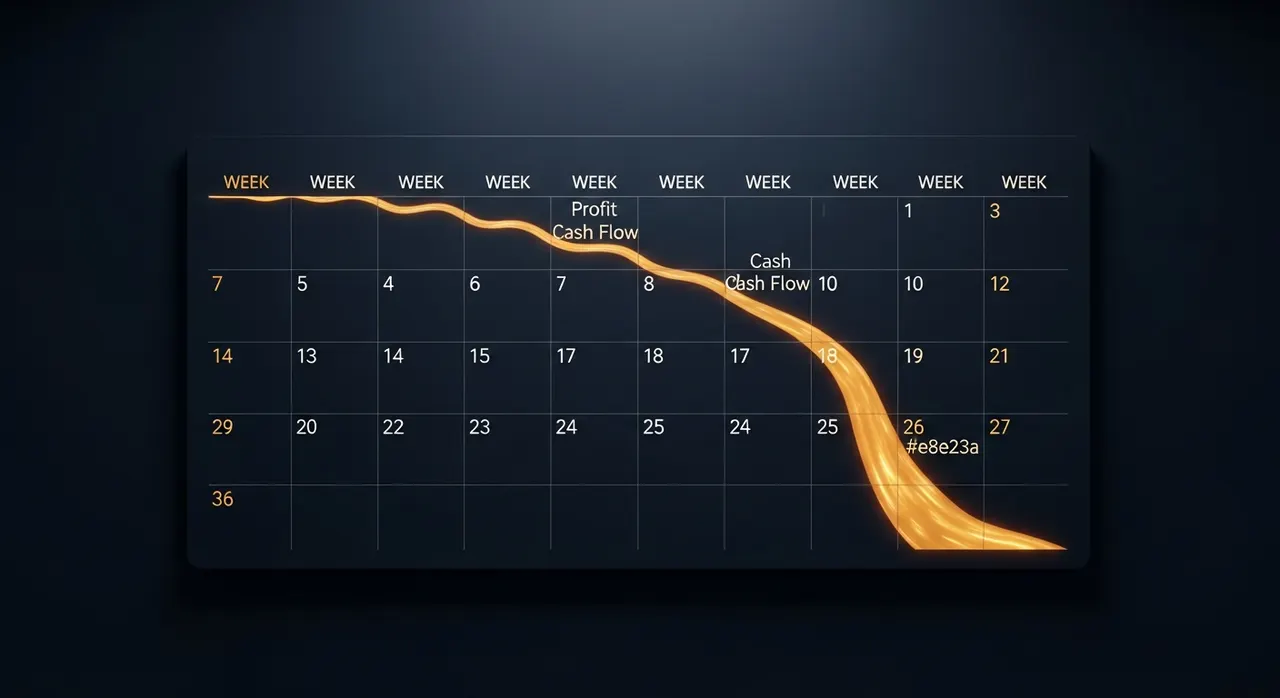
A profitable 28%-net-margin eCommerce business can run out of cash in 90 days. Here's the 13-week model that catches the trough before it hits.
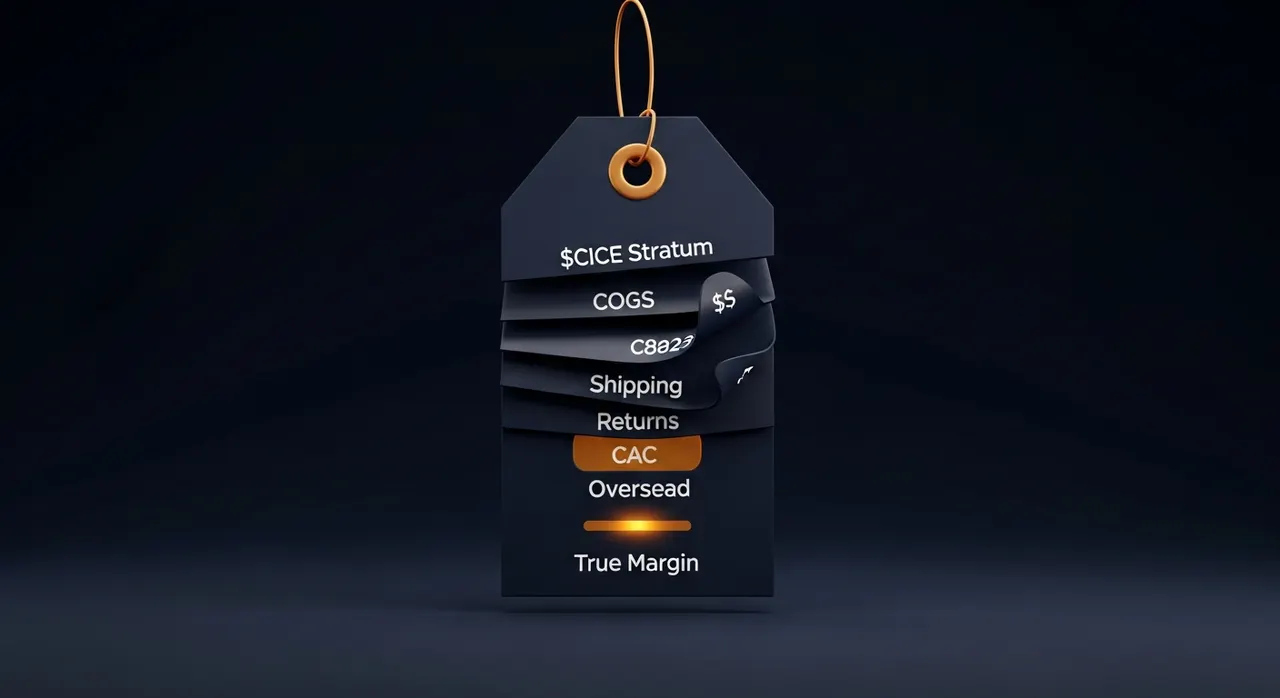
Gross margin says 65%. Contribution margin says 14%. Here's the model that closes the gap and the variable costs your accounting system hides.
Custom builds are wrong for almost every sub-$5M operator. Here are the 3 specific conditions where they're correct, plus the 20-minute decision tree.
Shopify subscription is 4% of real platform cost at $2M GMV. Here's the full 7-layer stack — apps, transaction fees, Plus break-even, and dev cost.
Most founders doing $500K in annual revenue believe they cannot afford a full-time marketer. The agency at $8,000 per month looks like the rational choice against a $75,000 salary. It is not — and the math proves it once you extend the horizon past t
Standard RFP criteria for 3PL selection measure best-case inputs, not operational outputs. Here's the framework that reveals error recovery, integration reliability, and true cost.
Most eCommerce operators price on gross margin and miss the true variable cost stack. Here's the contribution margin model that reveals your real price floor.
Amazon's 3.5% net margin vs. DTC's 24.5% on the same product — the full fee, ad spend, and LTV calculation operators need before choosing a channel strategy.
The most common mistake in supplier negotiation is believing that negotiation skill determines outcomes. It does not. Leverage does. And leverage is a mathematical function of one variable: what percentage of the supplier's annual revenue your orders
Most operators write SOPs too late. Learn the exact triggers, prioritized process list, and cost math that shows why SOP documentation before your first hire saves $4,400+ per year.
Purchase-rate decay is eCommerce churn in disguise — and harder to detect. See how 20% annual decay costs $213K per 1,000-customer cohort over three years.
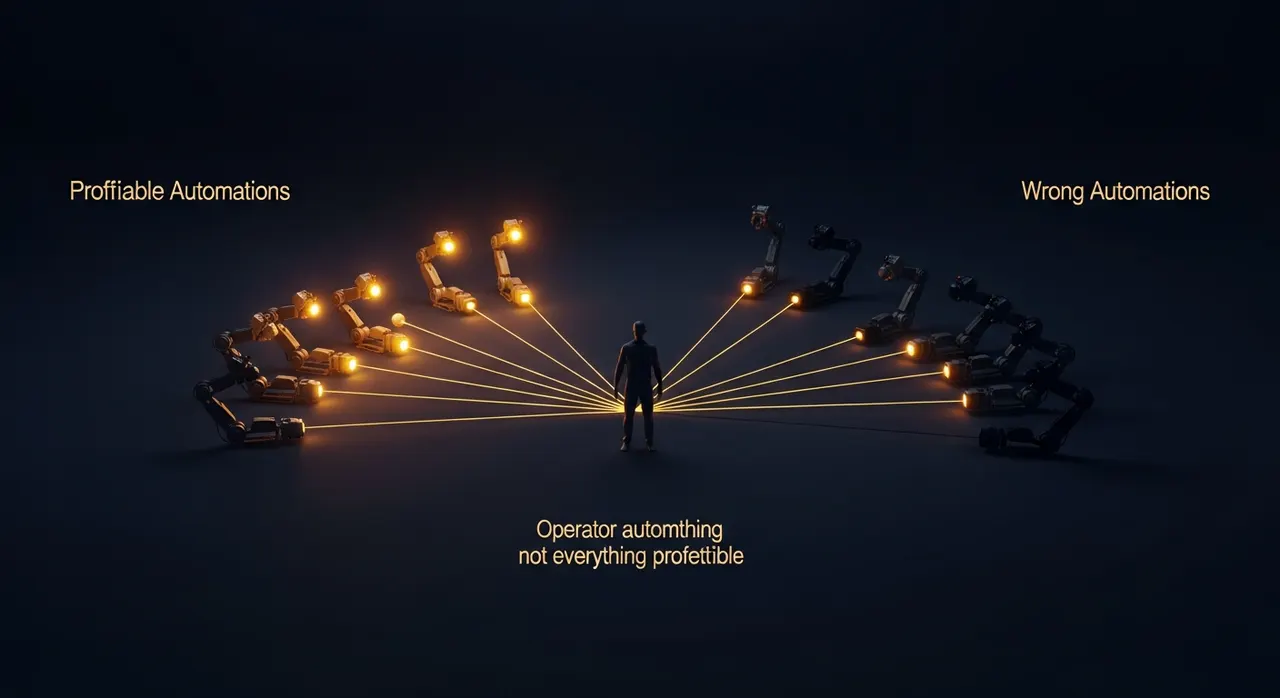
Operators automate the wrong things first. The instinct is to automate what is visible and annoying — answering common customer questions, posting to social media, generating product descriptions. These feel like wins. They rarely pass a rigorous cos
Most eCommerce operators overpay for influencer marketing by a factor of three — not because influencers don't work, but because they hire the wrong tier for the wrong job. A macro-influencer with 500K followers costs $5,000–$15,000 per post and deli
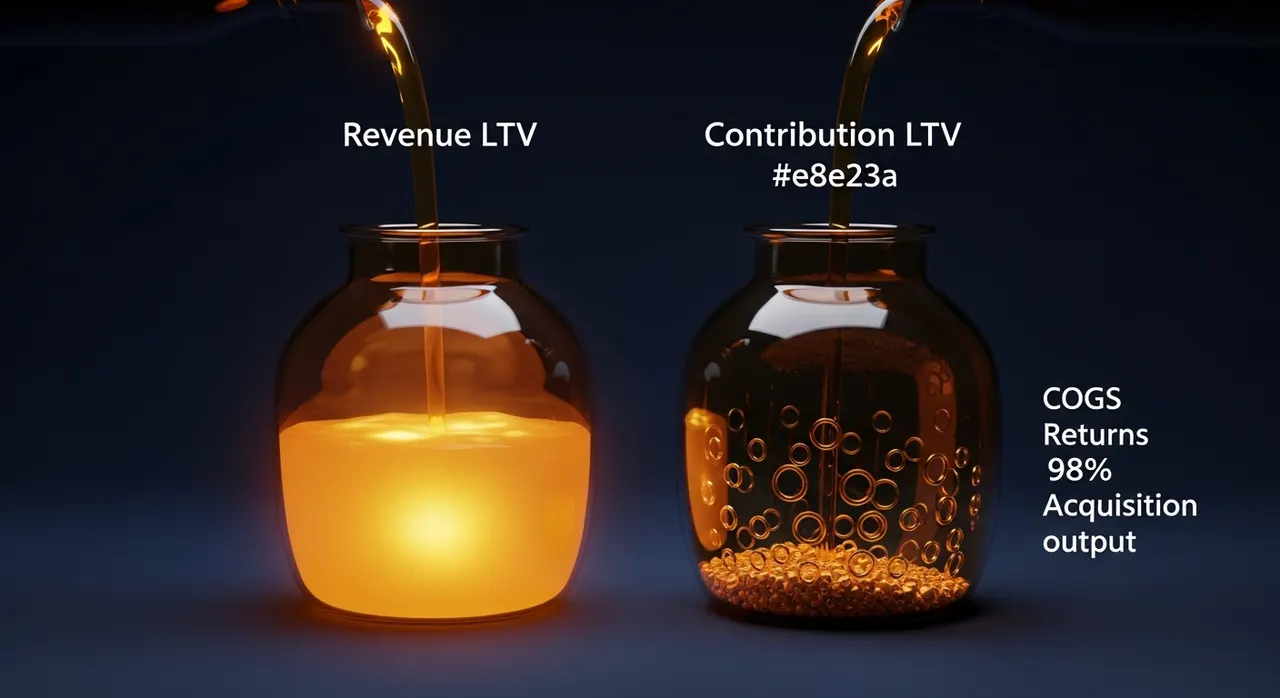
Revenue-based LTV overstates customer value by up to 98%. Learn the contribution-margin formula that sets accurate CAC ceilings and stops silent margin bleed.
The cash conversion cycle is the silent killer between $30K and $80K/month. The math behind working capital traps, five levers to manage them, and when to finance growth versus when to slow down.
High-traffic keywords don't mean high-revenue keywords. The four types of search traffic, the real math behind SEO investment, and a framework for auditing whether your organic strategy is aligned with revenue.
A 3% conversion rate on $30 AOV generates less revenue per visitor than 1.5% on $80 AOV. The math behind why optimizing conversion rate in isolation destroys value — and what to measure instead.
Free tools have a hidden cost structure that often exceeds paid alternatives. The real cost of free is measured in time, data, limitations, and switching costs — not subscription price.
The average eCommerce replatforming project runs 2.3x over budget and takes 60% longer than planned. The three cost layers nobody calculates, five real signals to migrate, and a scoring model to decide.
Adding sales channels looks like growth but often destroys margin. The real economics of DTC, Amazon, wholesale, and marketplaces — and a framework for deciding when (and whether) to expand.
The average eCommerce business sells for 2.5-4x annual profit — but 70% of businesses listed never close. The valuation multiplier drivers, the five decisions that destroy exit value years before you sell, and the timeline that separates sellable businesses from unsellable ones.
Subscriptions are sold as predictable recurring revenue. For physical products, they are more often predictable recurring losses. The economics, the five killers, and the decision framework.
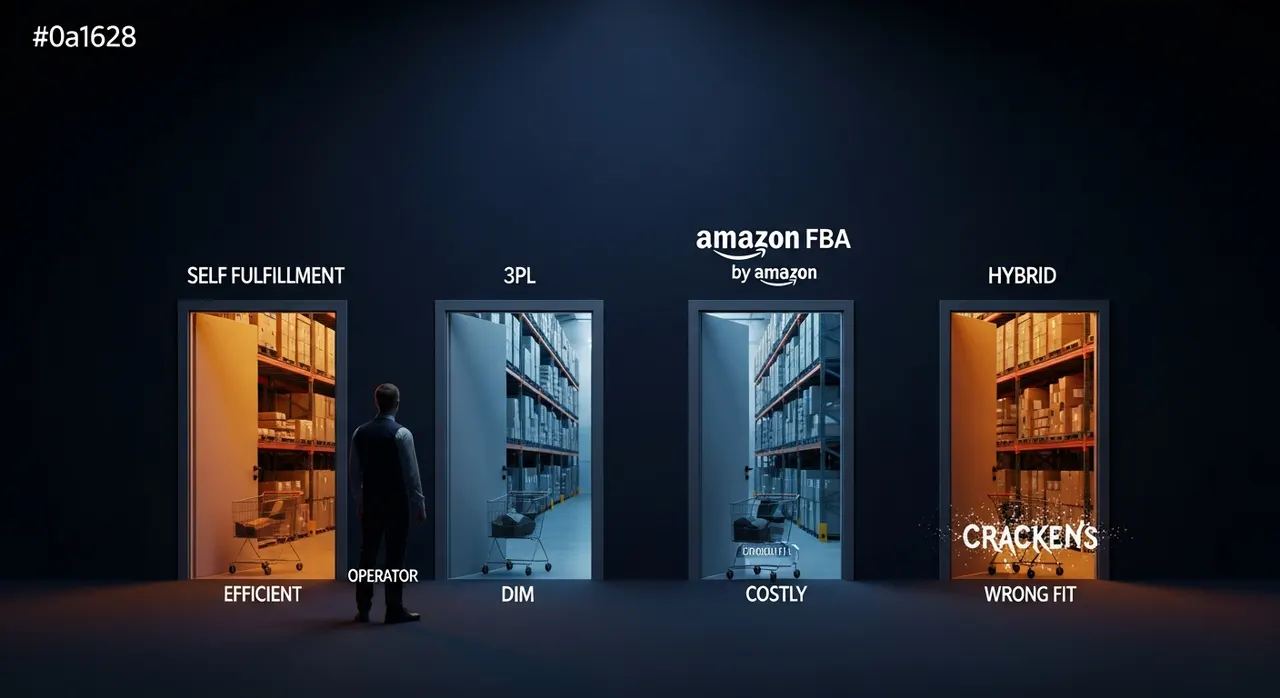
Self-fulfillment vs 3PL vs Amazon FBA vs hybrid — the real cost-per-order math, hidden fees operators discover too late, and the crossover points where each model becomes optimal.
Your first full-time hire costs $55,000-$75,000/year fully loaded — not the $40,000 salary on the listing. Outsourcing costs less upfront but compounds differently. The framework for making the right call.
80 percent of eCommerce businesses fail within two years. The break-even math that separates them from the 20 percent is not complicated — it is just ignored.
Email generates $72 per dollar spent and drives 25–35% of eCommerce revenue. The infrastructure model — automated flows, list economics, and the build-before-blast framework that separates operators from amateurs.
74% of startup failures come from premature scaling. The readiness metrics most operators skip — contribution margin, CAC payback, LTV:CAC, and cash conversion — and the three scaling mistakes that turn growth into a death spiral.
eCommerce return rates hit 20.8 percent in 2025. Each return costs $20-33 to process, and only 48 percent of returned items resell at full price. The math most operators never run.
An eCommerce developer costs $86K per year before benefits. Automation tools cost $120 per month on average. The decision framework for when each makes sense.
Paid acquisition stops the moment you stop spending. Organic compounds but takes 9 months to break even. The channel allocation math at every revenue stage — with actual CAC, ROAS, and ROI numbers.
The average Shopify merchant uses 6 apps. Each custom integration costs $3K-$15K to build and $500-$2K per year to maintain. The compounding cost nobody calculates.
The decision to replatform costs $25K–$500K and risks 10–30% traffic loss. Here's the framework for knowing when the cost of staying exceeds the cost of leaving.
When inventory investment outpaces cash flow, growth stalls. The cash conversion cycle math, warning signs, and three frameworks for managing through it.
Free, flat rate, real-time, or threshold-based? How operators choose shipping models, the zone math most miss, and why the wrong choice erodes margin.
Most operators undercount tool costs by 40-60 percent. The full three-layer cost model — subscription, integration, and switching — pricing pages hide.
Most eCommerce operators calculate CAC at roughly half the real number. The complete five-layer model and why it changes every growth decision you make.
Evaluate eCommerce platforms by business constraints, not feature lists. Shopify, WooCommerce, and custom — plus the switching costs that matter most.